Free tool
Cosplay Prop Scaling Calculator
Enter your height, pick a weapon, and get exact prop dimensions scaled to your body. Every measurement adjusts proportionally so your build looks right on you, not just on the character.
All prop scaling presets
Dedicated pages for every weapon preset with canonical dimensions, build guides, and material recommendations.
Buster Sword
Final Fantasy VII · Cloud Strife
Master Sword
The Legend of Zelda · Link
Kingdom Key
Kingdom Hearts · Sora
Dragon Slayer
Berserk · Guts
Rebellion
Devil May Cry · Dante
Zangetsu
Bleach · Ichigo Kurosaki
Elucidator
Sword Art Online · Kirito
Mjolnir
Marvel · Thor
Nichirin Blade (Tanjiro)
Demon Slayer · Tanjiro Kamado
Engulfing Lightning
Genshin Impact · Raiden Shogun
Wolf's Gravestone
Genshin Impact · Diluc
Levi's Dual Blades
Attack on Titan · Levi Ackerman
Leviathan Axe
God of War · Kratos
Hylian Shield
The Legend of Zelda · Link
Longsword
110 cm canonical
Greatsword
150 cm canonical
Katana
100 cm canonical
Wizard Staff
183 cm canonical
Round Shield
60 cm canonical
Battle Axe
90 cm canonical
Build it right from the start
This calculator gives you the dimensions. Costumary tracks your full build: references, materials, budget, timeline, and progress, all in one workspace.
Start organizing your buildsHow to scale cosplay props to your height
Every cosplay prop looks wrong when it is built to canonical dimensions on a body that does not match the character height. Cloud Strife is 173 cm. If you are 160 cm and you build a 152 cm Buster Sword, the blade is too long for your frame and throws off the whole silhouette. Proportional scaling fixes this.
Step 1: Find the character height
Check the game official art book, character profile page, or community wiki. Final Fantasy Wiki, Zelda Wiki, and MyAnimeList list heights for most major characters. For obscure characters, estimate from reference art using known objects: standard doorframes are about 200 cm, chairs sit at 45 cm.
Step 2: Calculate your scale factor
Divide your height by the character height. If you are 165 cm and the character is 173 cm, your scale factor is 0.954. Multiply every prop dimension by this number. The calculator above does this automatically for 14 weapon presets, or you can enter custom dimensions for any prop.
Step 3: Adjust for structural integrity
Scale length proportionally, but keep blade width and handle diameter close to 1:1. A blade that is too thin will flex or break. A handle that is too narrow will not feel right in your hand. Start with the calculator proportional output, then bump grip diameter to at least 3 cm for comfort.
Step 4: Check convention prop size limits
Most conventions allow props up to 183 cm (6 feet). All props must be peace-bonded. Some cons have stricter limits for indoor panels or crowded halls. Oversized weapons like the Dragon Slayer may need special approval. Always check your specific convention prop policy before cutting foam.
Materials by prop size
Props under 60 cm work well in Worbla, foam board, or 3D-printed segments. Anything over 100 cm should be EVA foam with PVC pipe or wooden dowel internal structure for rigidity. Keep total weight under 2 kg for one-handed props and 4 kg for two-handed. A full-size EVA foam Buster Sword typically weighs 1.5 to 2.5 kg.
Related guides
Deep dives and cost breakdowns for this topic.
How to Scale Cosplay Props to Your Height
9 min read
Learn the simple math to scale any cosplay weapon to your body. Character height ratios, convention size rules, and material tips for props that look right
Best EVA Foam Sealer: 7 Compared
17 min read
Plasti Dip, Flexbond, Mod Podge, Kwik Seal, HexFlex, and LeakSeal compared on EVA foam armor: flexibility, coats, dry time, and prices checked October 2026.
More free tools for makers
What Should I Cosplay?
Not sure what to build next? Answer 5 quick questions and get cosplay ideas matched to your skill, budget, and timeline. Real build plans, no signup.
Budget Calculator
Estimate your build cost before you start. Add materials, track spending, and stay on budget from first sketch to con floor.
Commission Pricing Calculator
Figure out what to charge. Factor in materials, labor hours, complexity, and overhead so you never underprice a commission again.
Prop Weight Estimator
Estimate how much your prop will weigh before you build it. Choose material, enter dimensions, and check comfort for all-day convention carry.
Spray Paint Color Matcher
Upload a reference image or paste a hex code, then find close spray paint matches for props, helmets, 3D prints, and model kits.
Miniature Paint Matcher
Upload box art or paste a hex code to find the closest miniature paint from Citadel, Vallejo, Army Painter, and 21 more brands. For Warhammer, Gunpla, and scale models.
Fur Color Matcher
Pick a color from your reference sheet and find the closest faux fur matches from Howl Fabrics and other suppliers. Validated against Pantone codes with ΔE 3.6 average accuracy.
Full Fur Palette Database
Browse real faux fur colors from 14 suppliers, build a palette for your fursuit, and start a project with your color picks pre-loaded.
Fursuit Price Calculator
Estimate what a fursuit will cost. Pick your type, complexity, fur quality, and features to get a price range based on real maker data.
Convention Packing Checklist
The packing list cosplayers actually use. Con essentials, repair kit, sewing survival, wig and makeup, and everything you forget until the parking lot.
Convention Budget Calculator
Know what your next con will actually cost. Badge, hotel, travel, food, and shopping breakdown with per-person split for groups.
Commission Tracker
Track commissions from inquiry to payment. See your pipeline, pending payments, and total earnings at a glance. No signup, runs in your browser.
Convention Profit Tracker
Was your show worth it? Estimate break-even before a craft fair, log actual sales after, and compare which shows actually make you money.
Cosplay Material Wizard
EVA foam, Worbla, or 3D printing? Answer 4 questions and get the right material with thickness guides, glue charts, and paint compatibility.
Fabric Yardage Calculator
How much fabric do you need? Pick a build type, enter your measurements, and get yardage estimates with stretch and waste factors for cosplay and sewing.
Circle Skirt Calculator
Enter your waist and skirt length to get cutting radius, yardage, and waistband fabric for full, half, quarter, and 3/4 circle skirts.
Army Cost Calculator
See what your Warhammer 40K, Age of Sigmar, or Kill Team army will actually cost. Add units, adjust paint and supply budgets, and compare retail vs. discount pricing.
Paint Scheme Planner
Plan your miniature paint scheme before you open a pot. Pick Citadel, Vallejo, or Army Painter colors for each role, preview on a silhouette, and save multiple schemes.
Carousel Composer
Drop your slide templates, overlay photos on each one, crop and rotate, then export everything as a zip. Runs in your browser, nothing uploaded.
What are you building next?
Start with a template, customize the milestones and materials, and build without losing track.
Arlecchino
~7wArlecchino (The Knave) is Genshin Impact's most cosplay-demanding Fatui Harbinger: a layered suit jacket, structured long coat with back chains, multi-color ombre wig, character-specific X-pupil contacts, and a full accessories set that runs 12+ pieces. This is an advanced build for cosplayers who can sew structured garments, handle prop accessories, and plan a full character makeup look. The make-or-break details are the coat's lapel structure and the wig's silver-black-red color work. Includes 8 components, 14 materials with cost estimates, a 12-step build plan, and a realistic 7-week, $180 to $420 budget.


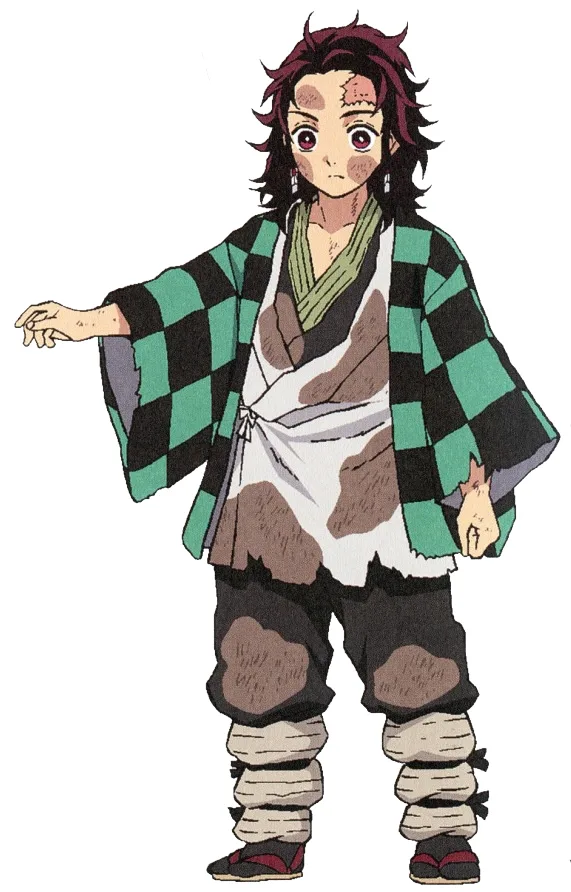
Tanjiro Kamado
~6wDemon Slayer's water-breathing hero, built from the green-and-black checkered haori down to the hanafuda earrings. The haori is the signature piece, it needs clean seams and a pattern scale that reads on camera, while the black wig requires burgundy-dyed tips and structured front bangs. This is an intermediate build for someone who can sew straight seams and follow a wig styling tutorial. The forehead scar and leg wraps add the finishing touches that take it from a costume to a character. 8 components, 15 materials, about 6 weeks, $120 to $350.

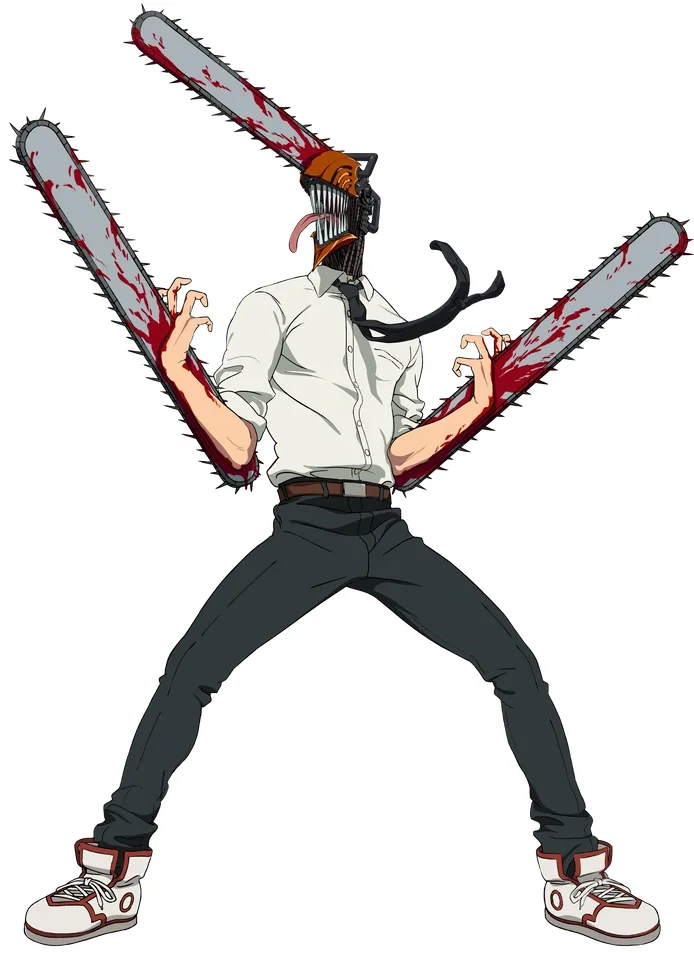
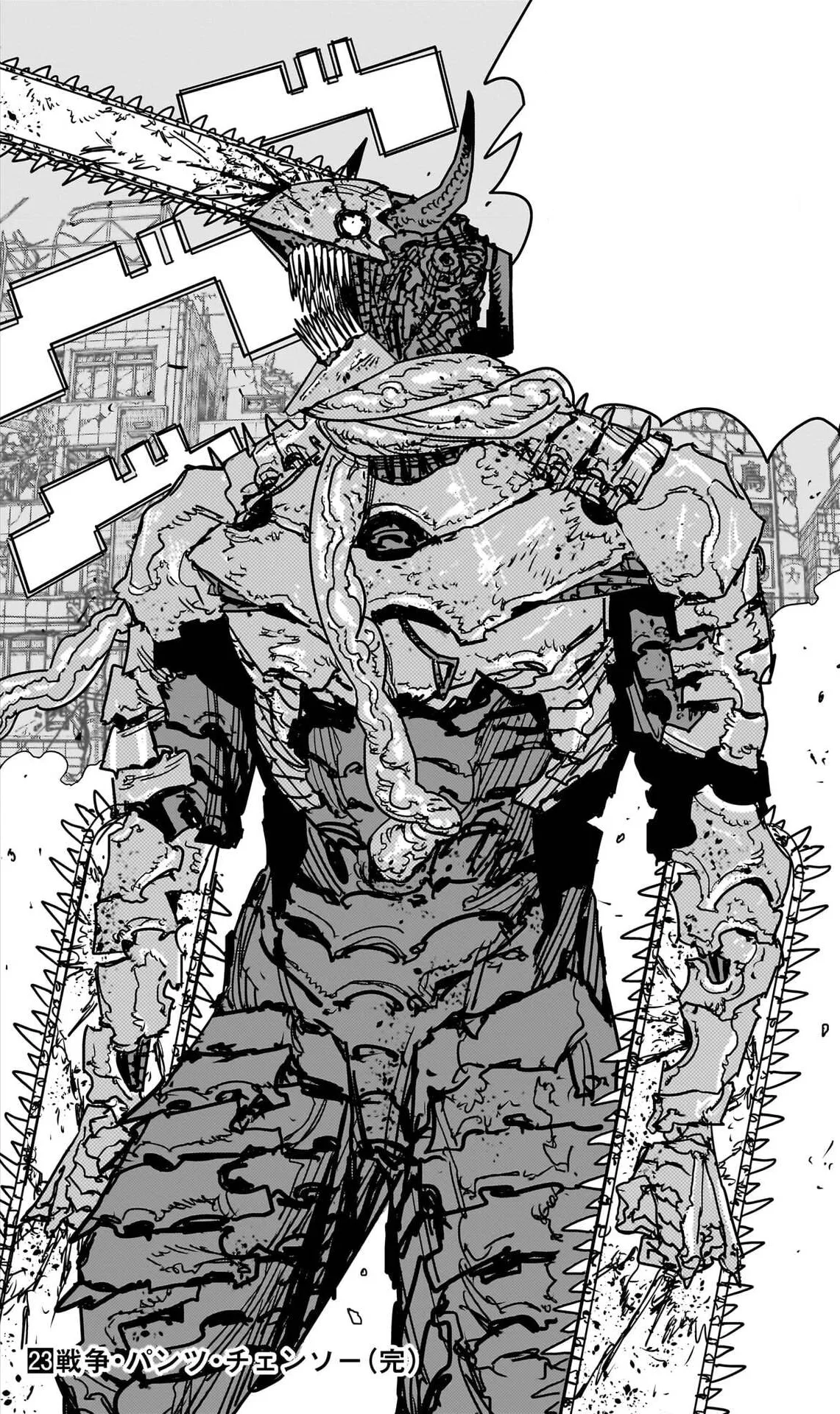
Denji (Pochita Hybrid Form)
~12wDenji's Pochita hybrid transformation: the chainsaw helmet, dual wrist blade arms, and blood-soaked Public Safety uniform. This is a full prop-and-armor build, not a fabric cosplay. The helmet is the centerpiece and the hardest piece: blade balance, internal sightlines, and weight all need solving before you build anything else. 6 components, 15 materials, ~12 weeks, $180-420.
Captain America
~6wThe star-spangled Avenger in his Endgame suit: scaled chest armor over a tactical blue base, a white star emblem, red gauntlets and boot details, a foam cowl helmet with ear wings, and the iconic round shield. This is an intermediate build with repetitive detail work on the scales and some prop-making for the shield. Covers 7 components, 12 materials with cost estimates, a 12-step plan across 5 phases, and a realistic 6-week, $150 to $400 budget.
Used by makers from r/cosplay, The RPF, Cosplay.com, r/Gunpla, and r/minipainting
Frequently asked questions
How do you scale a cosplay prop to your height?
Divide your height by the character's canonical height to get a scale factor, then multiply every prop dimension by that factor. For example, if Cloud Strife is 173 cm and you're 165 cm, your scale factor is 0.954. His 152 cm Buster Sword becomes 145 cm for you. The calculator above does this math instantly for 14 weapon presets.
How big should a cosplay sword be?
It depends on the character and your height. Most one-handed swords scale to 55–70 cm blade length for average-height cosplayers. Greatswords and oversized weapons can be 100–150 cm. Use proportional scaling to keep the weapon looking right relative to your body rather than copying the canonical measurement exactly.
What size props are allowed at conventions?
Most conventions allow props up to 6 feet (183 cm). All props must be peace-bonded so they can't be drawn or swung freely. Some cons have stricter limits for crowded events or indoor panels. Always check your specific convention's prop policy before building | oversized weapons like the Dragon Slayer may need special approval.
How do I find a character's canonical height?
Check official source material first: game guides, art books, and character profile pages. Community wikis (Final Fantasy Wiki, Zelda Wiki, MyAnimeList) list heights for most major characters. For obscure characters, estimate from reference art using known objects | standard doorframes are about 200 cm, and chairs are around 45 cm seat height.
What materials work best for large cosplay props?
EVA foam is the go-to for props over 100 cm | it's lightweight, easy to shape, and convention-safe. Use PVC pipe or wooden dowels as internal structure for rigidity. For smaller props, Worbla, foam board, or 3D-printed segments work well. Avoid solid wood or metal | they're too heavy for all-day carry and most conventions won't allow them.
How heavy should a cosplay prop be?
Aim for under 2 kg (4.4 lbs) for one-handed props and under 4 kg (8.8 lbs) for two-handed. You'll carry it all day at a convention | lighter is always better. An EVA foam Buster Sword typically weighs 1.5–2.5 kg even at full size. Only add counterweights if the prop is too unbalanced to hold comfortably.
Should I scale every dimension equally?
Scale length proportionally, but width and thickness can stay closer to 1:1. A blade that's too thin may be structurally weak, and a handle that's too narrow won't be comfortable to grip. The calculator gives you proportional dimensions as a starting point | then adjust grip diameter and structural widths for ergonomics.
Can I use this calculator for armor pieces?
Yes. Enter the character's height and the armor piece's dimension | shoulder width, chest plate height, pauldron length, whatever you need. The same proportional scaling applies. For fitted armor, also take your own body measurements and compare to the character's proportions, since armor hugs the body differently than weapons.