
Front
Costumary
Remove image backgrounds. Right click any image.
Cosplay Planner App
A cosplay planner app should help you finish the build, not just store ideas. The essentials are project progress, reference boards, material lists, budget tracking, timeline milestones, WIP photos, build logs, notes, and convention deadlines. Costumary puts those pieces in one workspace so every costume has a clear plan, current status, and history.
Every build, remembered
Front
Back
Fabric
Detail
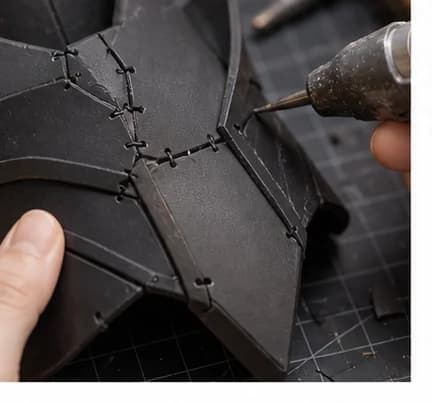
Foam
Build note
Front trim needs sealing before paint. Match fabric edge to the darker swatch.
Material Sheets 6mm
Synced to materials and budget
$12.99
Ask with project context
Costumary workspace demo showing four core features:
Each template comes with milestones, starter materials, and a timeline. Skip the blank page and start building today.
Jujutsu High's unassuming sorcerer-in-training: the pink-and-black undercut wig, white school uniform, and subtle Sukuna curse marks. The wig styling is the make-or-break challenge—it needs proper teasing, gel, and heat-setting to hold spikes through a con day. 4 components, 10 materials, 3-4 weeks, $75-150.


The most recognized ninja in anime: Naruto's orange zip-up jacket with white trim, blue sandals, Leaf Village headband, and spiky blonde hair. A beginner-friendly build with one statement jacket, a styled wig, and a few accessories that read instantly on the con floor. Includes 5 components, 12 materials with cost estimates, 11 milestones, and a realistic 4-week, $80 to $200 budget.


Spy x Family's telepathic kid in the Eden Academy uniform. The build is a black A-line dress with gold scalloped trim, a white Peter Pan collar, a red bow, and a pink wig with horn clips. It looks simple, but the wig quality, horn stability, and trim finish are where beginners hit walls. This template covers 6 components, 10 materials, a 10-step build plan, and a $40 to $120 budget across 3 weeks.


The useful features are the ones you open during a real build session, supply run, or final convention week. If a planner can't answer what do I buy next, what is late, and what did I decide last time, it won't survive con crunch.
Notes are fine for early ideas. A planner app becomes useful once there are deadlines, shopping lists, budget decisions, reference images, and multiple unfinished pieces to coordinate. That is the point where one giant note starts hiding the next action.
Many cosplayers juggle a main costume, a backup outfit, repairs, and future builds. A dedicated planner keeps each project separate while still letting you see what needs attention next, especially when two builds share fabric, paint, tools, or the same convention deadline.
If this is your first build, skip complicated systems. Track the character, deadline, reference images, pieces to make or buy, materials needed, expected cost, and the next task. Add time logs and detailed notes once the basics are working.
Experienced builders need more than a checklist. They need material substitutions, receipts, technique notes, version history, project photos, convention prep, repair tracking, and documentation for competitions or client work.
Plan your build around a real deadline. Find dates, checklists, and budget estimates.