Free tool
Cosplay Prop Weight Calculator
See how heavy your cosplay prop, sword, or armor piece will be before you build it. Pick a material, enter dimensions, and check if it passes the 2 kg one-handed and 4 kg two-handed comfort limits for all-day convention carry.
Prop dimensions
Enter the approximate dimensions of your prop.
Material
Hollow prop? Adjust wall thickness
Typical EVA foam walls: 0.5-1.5 cm. Solid props don't need this.
Estimated weight
(184 g) · EVA Foam (Medium Density)
Calculated as hollow with 1.0 cm wall thickness. Solid volume would be 6000 cm³ (0.51 kg).
Real reference weights
Known weights from actual builds to compare against.
Know your cosplay prop weight before you build
Stop guessing how heavy your prop will be. Costumary tracks your full build: references, materials, budget, timeline, and progress, all in one workspace. Sign up free and bring your next prop in under the comfort limit.
Start organizing your buildsHow to estimate cosplay prop weight before you build
Every cosplay prop has a weight ceiling based on how you carry it and for how long. A prop that feels fine for a 10-minute photoshoot can be unbearable after 8 hours on the convention floor. Estimating weight before you build saves you from rebuilding in a lighter material later.
Step 1: Measure your prop's bounding dimensions
Measure the overall length, width, and depth of your prop as if it fit inside a rectangular box. For a cosplay sword, that's tip to pommel (length), guard to edge (width), and blade thickness (depth). For a shield, it's height, width, and thickness including the boss. For armor, use the chest-to-waist length and side-to-side width. These three numbers give you the solid volume.
Step 2: Account for hollow construction (most props are)
Most cosplay props are not solid blocks. EVA foam builds use a hollow shell with 0.5-1.5 cm wall thickness. The calculator subtracts the inner cavity volume from the outer volume, giving you a much more accurate cosplay prop weight. A solid 60 cm foam sword would weigh about 3 kg, but the same sword built hollow with 1 cm walls weighs roughly 0.5 kg. That's an 83% weight reduction.
Step 3: Multiply by your material's density
Each material has a different density in grams per cubic centimeter. EVA foam (0.085 g/cm3) is the lightest structural option for cosplay weapons and armor. Worbla and resin (1.2 g/cm3) are about 14x denser. Steel (7.8 g/cm3) is 92x denser than EVA foam. The calculator multiplies your effective volume by the selected material's density to get the estimated finished weight.
Step 4: Check the all-day convention carry flag
The comfort flag uses two thresholds: 2 kg for one-handed carry and 4 kg for two-handed. Props under 2 kg are comfortable for all-day convention carry with one hand. Between 2 and 4 kg, you will want two hands or a shoulder strap. Over 4 kg, the prop becomes exhausting within an hour and needs weight reduction strategies or you risk convention prop weight limit issues at the entrance.
How to reduce cosplay prop weight
If your estimate comes up red, here are the most effective weight reduction methods from experienced prop makers: switch to EVA foam as your primary material, reduce 3D print infill to 10-15%, use thinner walls where structurally safe, replace solid resin sections with foam clay, use PVC pipe or wooden dowels for internal support instead of making the entire prop from dense material, and avoid metal decorative accents that add grams fast. Every gram you remove is one less gram you carry across the convention floor. For more detail, see our EVA foam guide and the cosplay prop scaling guide.
How heavy are cosplay props? Typical weights by type
Real-world weight ranges from builders who track their finished props. All weights depend on material choice, scale, and construction method.
| Prop type | Typical material | Weight range | Carry comfort |
|---|---|---|---|
| Dagger / knife | EVA foam | 0.1 - 0.3 kg | Effortless |
| One-handed sword | EVA foam + PVC core | 0.3 - 1.0 kg | Comfortable |
| Greatsword / buster sword | EVA foam + aluminum frame | 1.2 - 2.5 kg | Two-handed |
| Small shield | EVA foam | 0.4 - 0.9 kg | Comfortable |
| Tower shield | EVA foam + plywood | 2.0 - 5.0 kg | Heavy |
| Staff / spear | PVC pipe + EVA foam | 0.5 - 1.2 kg | Comfortable |
| Chest armor (full torso) | EVA foam (hollow) | 0.5 - 1.5 kg | Worn weight |
| Helmet | PLA (15% infill) | 0.3 - 0.7 kg | Head fatigue |
| Resin cast prop | Polyurethane resin | 0.8 - 2.0 kg | Two-handed |
| Worbla pauldron / bracer | Worbla (thermoplastic) | 0.2 - 0.6 kg | Comfortable |
Related guides
Deep dives and cost breakdowns for this topic.
Best EVA Foam Sealer: 7 Compared
17 min read
Plasti Dip, Flexbond, Mod Podge, Kwik Seal, HexFlex, and LeakSeal compared on EVA foam armor: flexibility, coats, dry time, and prices checked October 2026.
How to Scale Cosplay Props to Your Height
9 min read
Learn the simple math to scale any cosplay weapon to your body. Character height ratios, convention size rules, and material tips for props that look right
EVA Foam Armor Cost: The Numbers Nobody Posts
9 min read
We tracked material costs across 47 real builds. Here's the exact breakdown, including the line items most budget guides leave out.
More free tools for makers
What Should I Cosplay?
Not sure what to build next? Answer 5 quick questions and get cosplay ideas matched to your skill, budget, and timeline. Real build plans, no signup.
Budget Calculator
Estimate your build cost before you start. Add materials, track spending, and stay on budget from first sketch to con floor.
Commission Pricing Calculator
Figure out what to charge. Factor in materials, labor hours, complexity, and overhead so you never underprice a commission again.
Prop Scaling Calculator
Scale any weapon, staff, or accessory to your height. Input the character's canon dimensions and your measurements, get cut-ready numbers.
Spray Paint Color Matcher
Upload a reference image or paste a hex code, then find close spray paint matches for props, helmets, 3D prints, and model kits.
Miniature Paint Matcher
Upload box art or paste a hex code to find the closest miniature paint from Citadel, Vallejo, Army Painter, and 21 more brands. For Warhammer, Gunpla, and scale models.
Fur Color Matcher
Pick a color from your reference sheet and find the closest faux fur matches from Howl Fabrics and other suppliers. Validated against Pantone codes with ΔE 3.6 average accuracy.
Full Fur Palette Database
Browse real faux fur colors from 14 suppliers, build a palette for your fursuit, and start a project with your color picks pre-loaded.
Fursuit Price Calculator
Estimate what a fursuit will cost. Pick your type, complexity, fur quality, and features to get a price range based on real maker data.
Convention Packing Checklist
The packing list cosplayers actually use. Con essentials, repair kit, sewing survival, wig and makeup, and everything you forget until the parking lot.
Convention Budget Calculator
Know what your next con will actually cost. Badge, hotel, travel, food, and shopping breakdown with per-person split for groups.
Commission Tracker
Track commissions from inquiry to payment. See your pipeline, pending payments, and total earnings at a glance. No signup, runs in your browser.
Convention Profit Tracker
Was your show worth it? Estimate break-even before a craft fair, log actual sales after, and compare which shows actually make you money.
Cosplay Material Wizard
EVA foam, Worbla, or 3D printing? Answer 4 questions and get the right material with thickness guides, glue charts, and paint compatibility.
Fabric Yardage Calculator
How much fabric do you need? Pick a build type, enter your measurements, and get yardage estimates with stretch and waste factors for cosplay and sewing.
Circle Skirt Calculator
Enter your waist and skirt length to get cutting radius, yardage, and waistband fabric for full, half, quarter, and 3/4 circle skirts.
Army Cost Calculator
See what your Warhammer 40K, Age of Sigmar, or Kill Team army will actually cost. Add units, adjust paint and supply budgets, and compare retail vs. discount pricing.
Paint Scheme Planner
Plan your miniature paint scheme before you open a pot. Pick Citadel, Vallejo, or Army Painter colors for each role, preview on a silhouette, and save multiple schemes.
Carousel Composer
Drop your slide templates, overlay photos on each one, crop and rotate, then export everything as a zip. Runs in your browser, nothing uploaded.
What are you building next?
Start with a template, customize the milestones and materials, and build without losing track.
Naruto Uzumaki
~4wThe most recognized ninja in anime: Naruto's orange zip-up jacket with white trim, blue sandals, Leaf Village headband, and spiky blonde hair. A beginner-friendly build with one statement jacket, a styled wig, and a few accessories that read instantly on the con floor. Includes 5 components, 12 materials with cost estimates, 11 milestones, and a realistic 4-week, $80 to $200 budget.


Iron Man
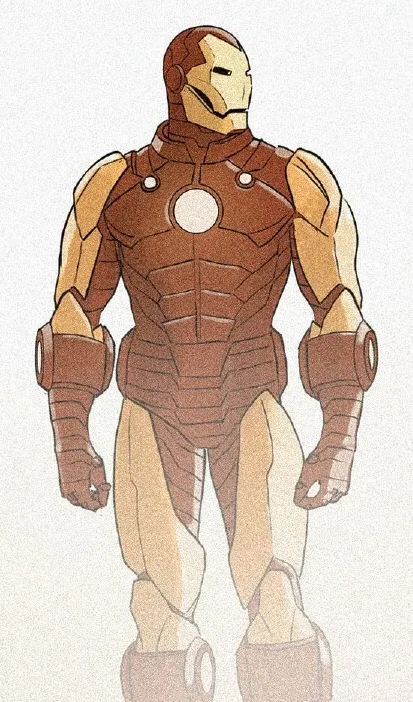
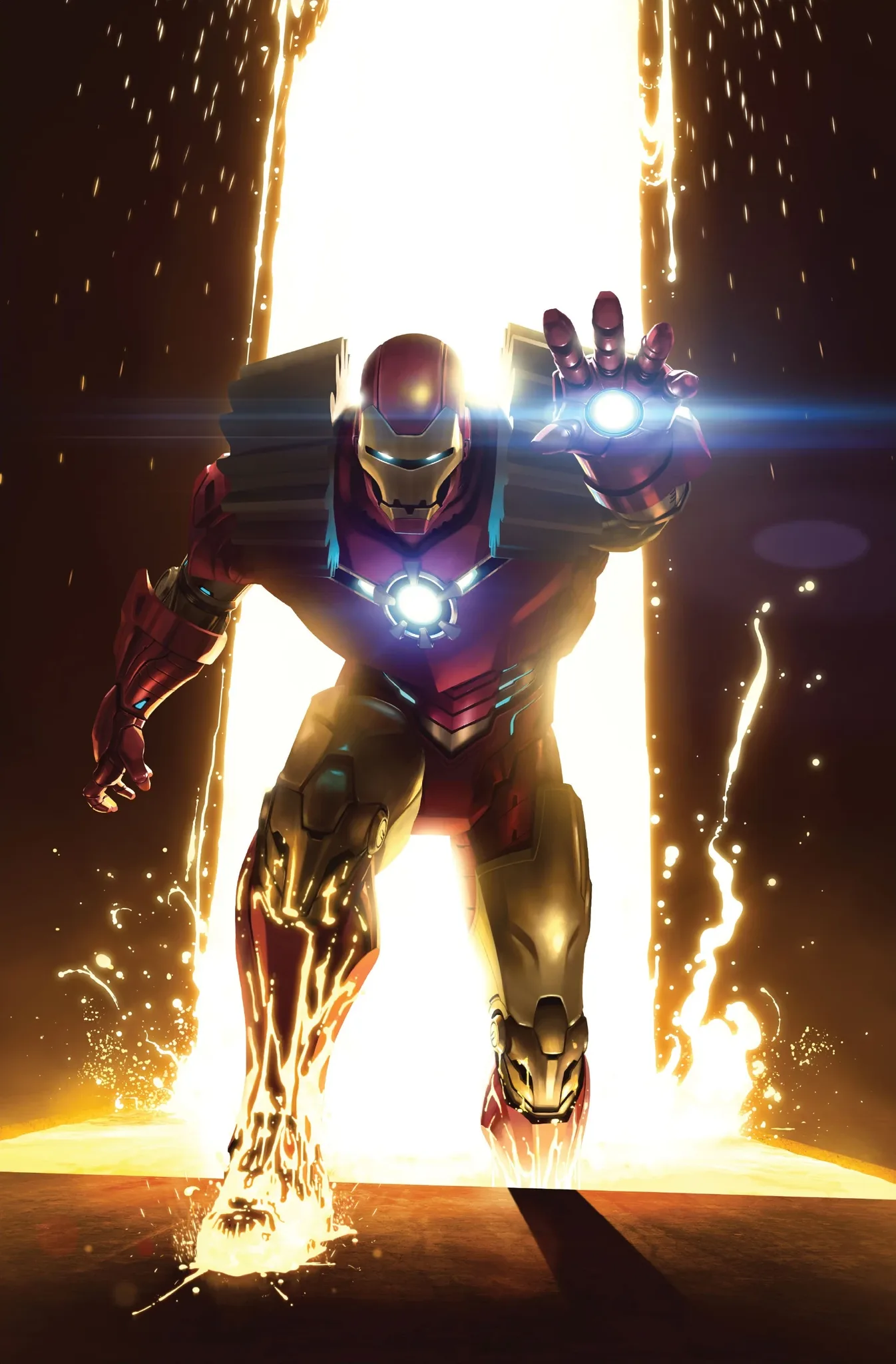
~8wThe iconic red and gold Mark III armor: full EVA foam plate construction with a hinged faceplate helmet, glowing arc reactor, and metallic automotive paint finish. This is an advanced build with 7 major components spanning foam shaping, basic electronics, and multi-layer painting. Covers materials, a 14-step build plan across 5 phases, and a realistic 8-week, $200 to $550 budget.
Marin Kitagawa
~5wThe cosplay enthusiast from My Dress-Up Darling in her school uniform: the sailor top, the impossibly long pink wig with twin tails, and the layered styling that requires real wig management. The wig is the entire build - long enough to drag on the floor without support, heavy enough to slide backward even with clips. 6 components, 12 materials, ~5 weeks, $85-220.


Chun-Li
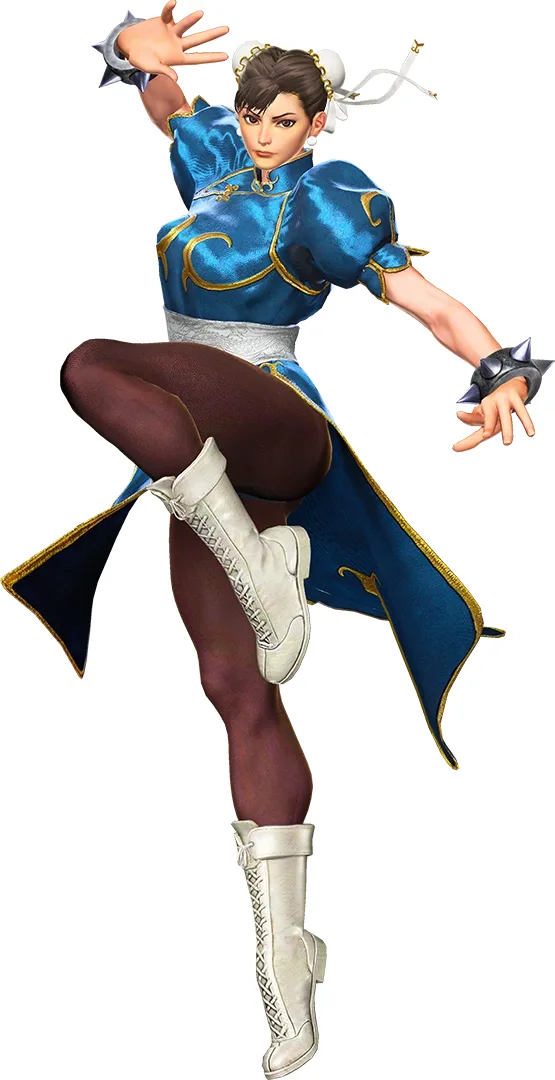
~5wStreet Fighter's iconic martial artist in sky blue silk with the signature heavy twin buns, high-slit qipao dress, red belt with gold accents, and spiked wrist bracelets. The bun wig is the make-or-break piece—it needs reinforced anchoring to hold through a full con day. 6 components, 12 materials, about 5 weeks, $95 to $250.

Used by makers from r/cosplay, The RPF, Cosplay.com, r/Gunpla, and r/minipainting
Frequently asked questions
How much should a cosplay prop weigh?
Aim for under 2 kg (4.4 lbs) for one-handed props and under 4 kg (8.8 lbs) for two-handed props. You'll carry it all day at a convention, and heavier props cause fatigue, shoulder pain, and risk dropping or damaging the prop. EVA foam is the lightest structural material, while resin and wood add significant weight quickly.
What is the lightest material for cosplay props?
EVA foam (medium density, ~0.085 g/cm3) is the lightest common cosplay material. A full-size Master Sword built from medium-density EVA foam weighs about 0.37 kg. High-density EVA foam (~0.15 g/cm3) is slightly heavier but holds sharper edges. For large props, always default to EVA foam for the best strength-to-weight ratio.
How do I reduce the weight of a cosplay prop?
Build hollow with thin walls (0.5-1.5 cm EVA foam), use a PVC pipe or wooden dowel core for structural support instead of solid material, replace solid resin parts with 3D printed PLA at 15% infill, and avoid metal accents. A hollow foam sword can be 80% lighter than the same shape in resin or wood.
How heavy is a typical EVA foam prop?
Light props like daggers, wands, and small accessories weigh 0.1-0.3 kg. Medium props like one-handed swords and small shields weigh 0.3-1.0 kg. Large props like greatswords, full shields, and staves weigh 1.0-2.5 kg. Anything over 2 kg becomes noticeably tiring for one-handed carry.
Does 3D printing make heavy props?
It depends on infill percentage. PLA at 15% infill has an effective density of ~0.3 g/cm3, comparable to dense foam. Solid PLA at 1.24 g/cm3 is about the same density as Worbla and resin. Always print at the lowest infill that maintains structural integrity, and use hollow chambers with internal support walls.
Can I use this estimator for armor pieces?
Yes. Enter the approximate bounding box dimensions of the armor piece. For chest plates, use length (shoulder to waist), width (side to side), and depth (front to back). For hollow armor, enable the wall thickness option since most cosplay armor is built as a hollow shell rather than solid blocks.
How heavy is EVA foam per inch of thickness?
Medium-density EVA foam (0.085 g/cm3) weighs about 0.14 kg per square foot at 1/4 inch thick, or roughly 0.55 kg per square foot at 1 inch thick. High-density EVA foam (0.15 g/cm3) is about 76% heavier at the same thickness. A typical one-handed cosplay sword built from 1/2 inch EVA foam sheets weighs 0.3-0.6 kg before adding paint and sealer.
What is the lightest way to build a cosplay weapon?
Use medium-density EVA foam as your primary material, build hollow with 0.5-1 cm wall thickness, use a lightweight PVC pipe core (not metal or hardwood), and avoid resin or Worbla coatings. For 3D printed parts, use LW-PLA filament at 10% gyroid infill. This combination can produce a full-size greatsword under 1 kg. The tradeoff is slightly less durability at the edges, which you can reinforce with foam clay or Kwik Seal instead of dense fillers.