Character Look
Recreate a recognizable pop culture character, theme, or era through drag with costume sourcing, wig styling, character-specific makeup, props, and performance planning. This template bridges drag and cosplay for themed numbers that need to be both accurate and stage-ready.
4 weeks
8
6
4
See the whole look before you start.
References, materials, budget, and build order for Character Look.
Timeline
4 weeks
Color refs
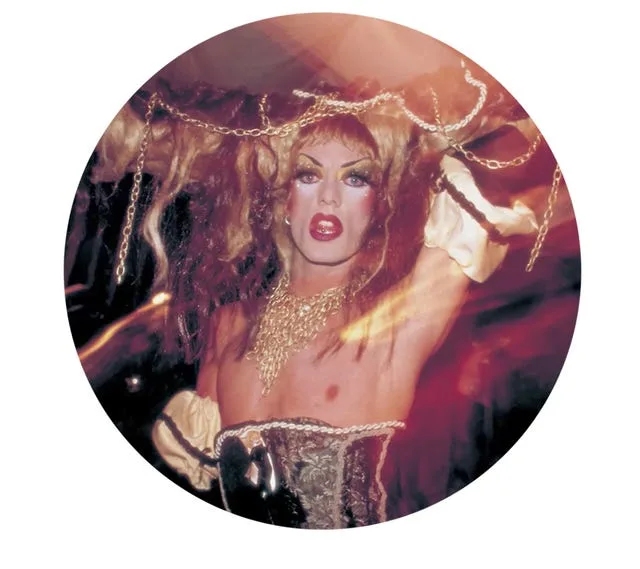
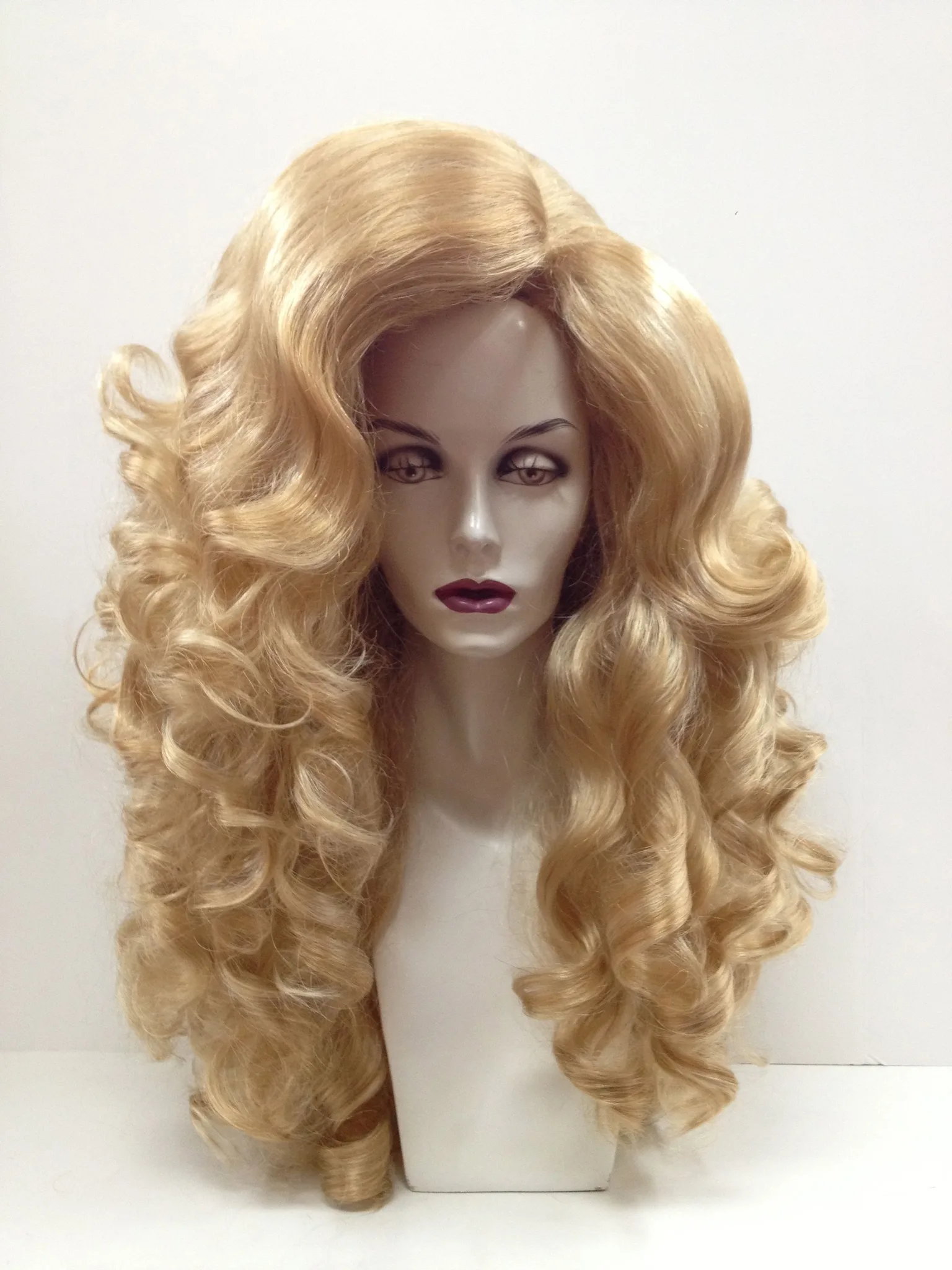
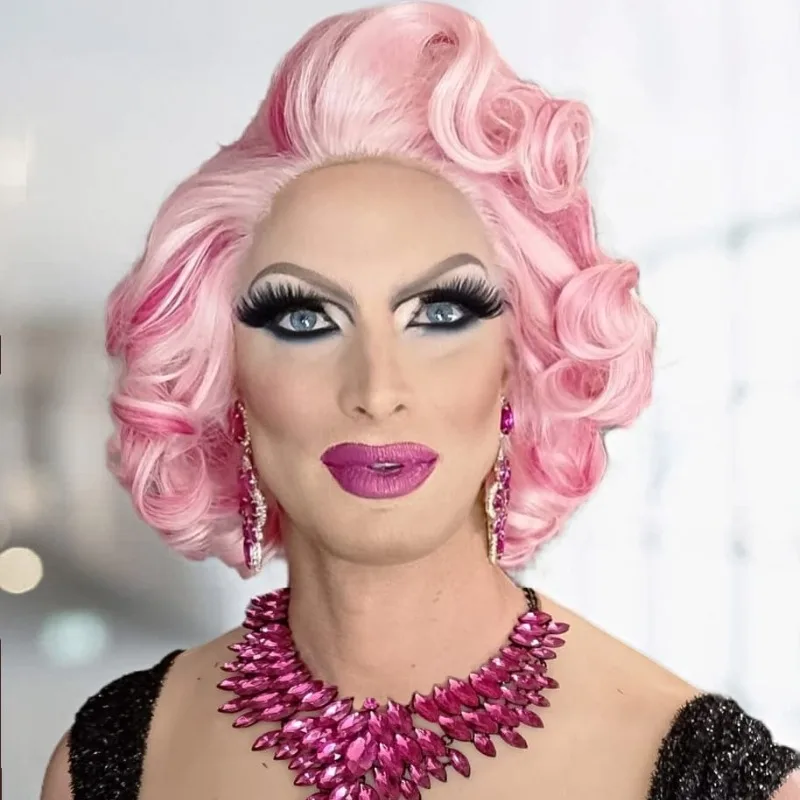
Materials
6 items
Budget
$60 - $350
save the visual refs
Full reference board
The preview above is curated for scanning. This is the working board you clone into your own build, with notes, colors, product images, and extra references intact.
Images are sourced from around the internet to help you get started. Use the web clipper to build your own reference library.
Reference images are gathered from around the web and belong to their original creators. We link back to where we found each one. If something here is yours and you want it taken down, email us and it is gone.
Build guide
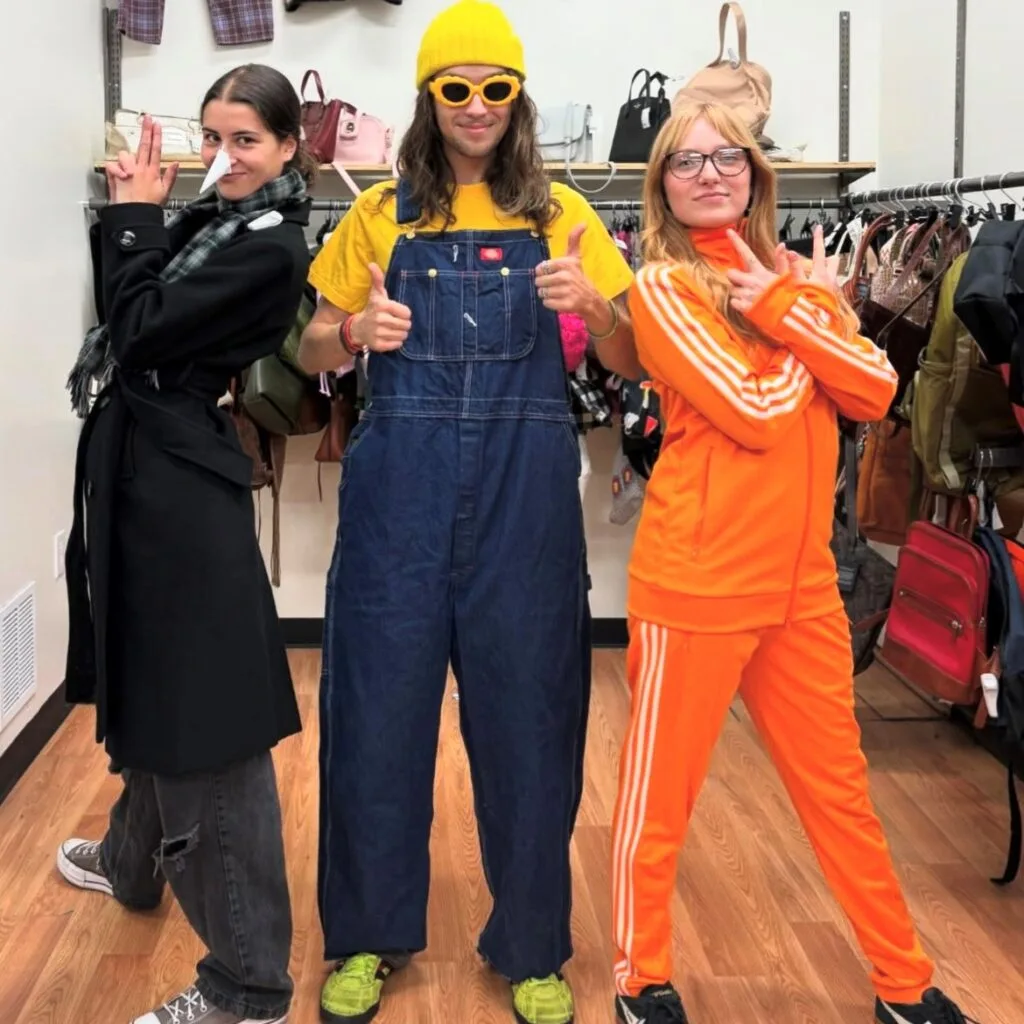
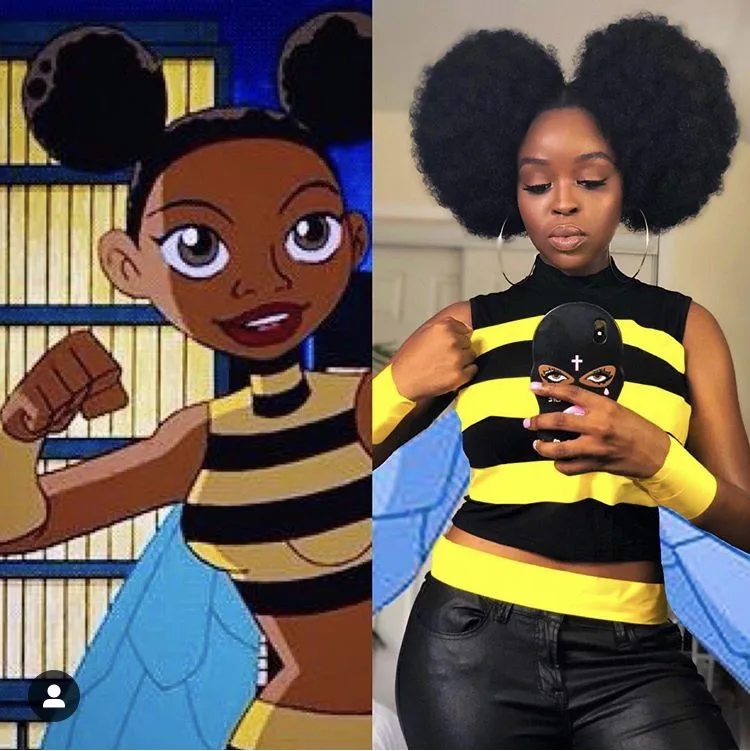
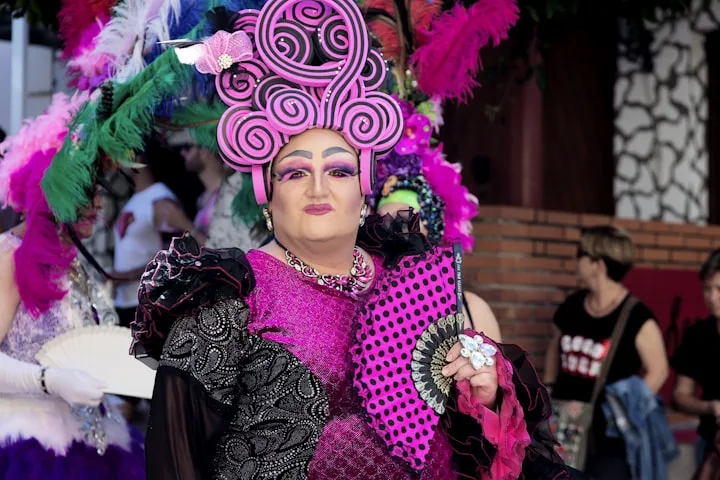
Character drag is where cosplay and drag performance collide. You're not just dressing up as a character. You're performing as that character through drag, which means the look needs to be recognizable from 15 feet away AND functional enough to lip-sync, dance, or do a reveal in. That's a different set of constraints than a cosplay hall costume or a standard drag look.
The best character numbers work because the audience recognizes the reference in the first 3 seconds. If they need to squint and guess, you've lost them. Bold silhouettes, iconic color palettes, and signature details do more work than screen-accurate construction.
Reference Collection
Pull reference images from every available angle. Screen captures, promotional photos, fan art that captures the vibe. Pay attention to what makes the character instantly recognizable. For Maleficent, it's the horns and the collar. For Ursula, it's the tentacles and the white hair. For Cher, it's the hair and the Bob Mackie silhouette.
Separate "essential" details from "nice to have" details. Essential details are the things that make the character identifiable. Nice-to-have details are screen-accurate flourishes that the audience won't notice from the third row. Spend your budget and time on the essentials.
Costume Sourcing Strategy
Character looks rarely need to be built from scratch. The fastest approach: buy a base garment in the right color and silhouette, then modify it to match the character. A purple bodysuit and a tentacle skirt gets you 80% of the way to Ursula for $40 in garments versus $200 in custom fabric and construction.
Thrift stores are gold for character drag. A specific era (70s disco, 90s pop, 2000s Y2K) becomes a fun scavenger hunt at Goodwill. Halloween clearance sales are another goldmine for character bases, props, and wigs you can re-style.
For recognizable props, check party supply stores, Amazon, and Etsy. A $15 prop trident from Amazon sells Ursula better than a screen-accurate $80 resin cast that's too heavy to carry during a number. Stage props need to be light, durable, and visible. Accuracy is secondary to readability.
Wig Styling for Characters
Character wigs often need to be specific shapes, colors, or styles that don't exist off the shelf. Buy a wig in the closest base color and style it yourself. For Cruella, you need a half-black, half-white wig (available premade for $15-25 from Amazon or costume shops). For anime-inspired characters, spike or sculpt with Got2b Freeze Spray and a blow dryer.
If the character has a signature hairstyle, that wig is more important than any other element. People will forgive an imperfect costume if the hair is right. They won't forgive a wrong wig no matter how good the dress is.
Makeup as Character Work
Character makeup is where drag skills really shine. You're not just doing a beat. You're interpreting a character through makeup. Ursula's dramatic brow and exaggerated beauty mark. Maleficent's sharp contour and green-toned skin. A Disney villain beat is fundamentally different from a glamour beat.
Practice the character makeup at least twice before the performance. The first time is for figuring out the shapes and colors. The second time is for speed and refinement. Take photos each time and compare to your reference images.
For extreme character colors (green skin, blue face, etc.), use a theatrical cream paint (Mehron Paradise or Ben Nye Creme Colors, $8-15 per palette) as a base, then set with powder. Don't try to achieve extreme colors with regular drag makeup unless you want a patchy, translucent mess.
Reveals and Prop Moments
Character numbers often benefit from a reveal. The reveal should be tied to a moment in the song. If you're doing "Poor Unfortunate Souls," the reveal from disguised-Vanessa back to Ursula hits harder than a random costume change.
Engineer reveals to be fast and reliable. Velcro closures, breakaway snaps, or a tear-away panel. If a reveal requires two hands and 10 seconds of fumbling, cut it. A failed reveal is worse than no reveal at all.
Props need to be choreographed. Know exactly when you pick up the prop, what you do with it, and where you put it down. A prop that's just held awkwardly for the whole number is a prop that should have stayed backstage.
Rehearsal in Full Look
Perform the full number in complete character look at least once. Move the way you'll move on stage. If the costume restricts movement you planned, modify the choreography or the costume. Discover problems now, not in front of an audience.
Check that the wig stays on during head movement, the props are light enough to handle for the full song length, and the costume doesn't ride up, gap, or shift during movement. If you have a reveal, practice it 10 times until it's muscle memory.
Common Mistakes
- Prioritizing accuracy over readability. A screen-accurate costume in muted colors disappears on a dark stage. Pump up the saturation, size, and contrast. Stage rules are different from cosplay rules.
- Choosing a character nobody recognizes. Deep-cut references are fun but risky for performance. If more than half the audience won't get it, you're performing to silence. Save obscure characters for themed shows where the audience self-selects.
- Props that are too heavy or fragile. You need to perform with this prop for 3-4 minutes. If it's heavy enough to tire your arm or fragile enough to break when you set it down, find a lighter or sturdier version.
- Not adapting the song to the character. The strongest character numbers use songs that the character would actually sing, or songs that recontextualize the character. Random songs with character costumes are just cosplay with lip-syncing.
Character drag is some of the most fun you can have on stage. When the audience recognizes the reference and you nail the performance, the reaction is electric.
Components
Costume pieces
Character wig
Props
Makeup map
Materials list
6 itemsEstimated total cost
$60 - $350
Milestone timeline
4 weeks- 1
Collect character and theme references
concept
- 2
Break down silhouette and colors
concept
- 3
Source garment base and props
sourcing
- 4
Modify costume pieces
Construction
- 5
Style wig to match reference
wig
- 6
Develop makeup interpretation
makeup_test
- 7
Rehearse reveals or prop moments
rehearsal
- 8
Pack look, props, and repairs
Packing
Frequently
asked questions.
Related tools and guides
Plan your build, estimate costs, and get ready.
Budget Calculator
Estimate your build cost before you start buying materials.
Convention Checklist
88-item packing checklist. Check off items as you pack.
Prop Scaling Calculator
Scale reference images to your body measurements.
How Much Does a Drag Look Cost?
Real build budgets with specific products and dollar amounts.
Drag Makeup Under Stage Lights
Real build budgets with specific products and dollar amounts.
Drag on Costumary
Templates, tools, and workspace built for drag makers.
Browse all templates
Explore build plans across 10 craft verticals.
Start this build free
Clone this template into your workspace. Track materials, milestones, budget, and build progress in one place.
Related templates
Commission Look
6 weeks · 9 milestones
Build a stage-ready look for another performer, managing the full process from concept approval through measurements, construction, fittings, embellishment, and delivery. This template adds client communication checkpoints to the garment construction workflow.
Pageant Look
6 weeks · 10 milestones
Build a competition-grade look with custom garment construction, heavy embellishment, styled wig, polished accessories, and presentation rehearsal. This template covers everything from category requirements through final steaming and packing for the stage.
Quick Look
1 weeks · 7 milestones
Assemble a polished look from your existing wardrobe, wig collection, and makeup kit in a day or less. Built for open stage nights, last-minute bookings, or low-effort concepts that still look intentional on stage.
Performance Look
3 weeks · 10 milestones
Build a complete stage look around a specific number, covering garment selection or construction, wig styling, full beat, accessories, and rehearsal. This template coordinates every element so nothing gets forgotten between concept and curtain call.