
Pageant Look
Build a competition-grade look with custom garment construction, heavy embellishment, styled wig, polished accessories, and presentation rehearsal. This template covers everything from category requirements through final steaming and packing for the stage.
6 weeks
10
7
4
See the whole look before you start.
References, materials, budget, and build order for Pageant Look.
Timeline
6 weeks
Color refs
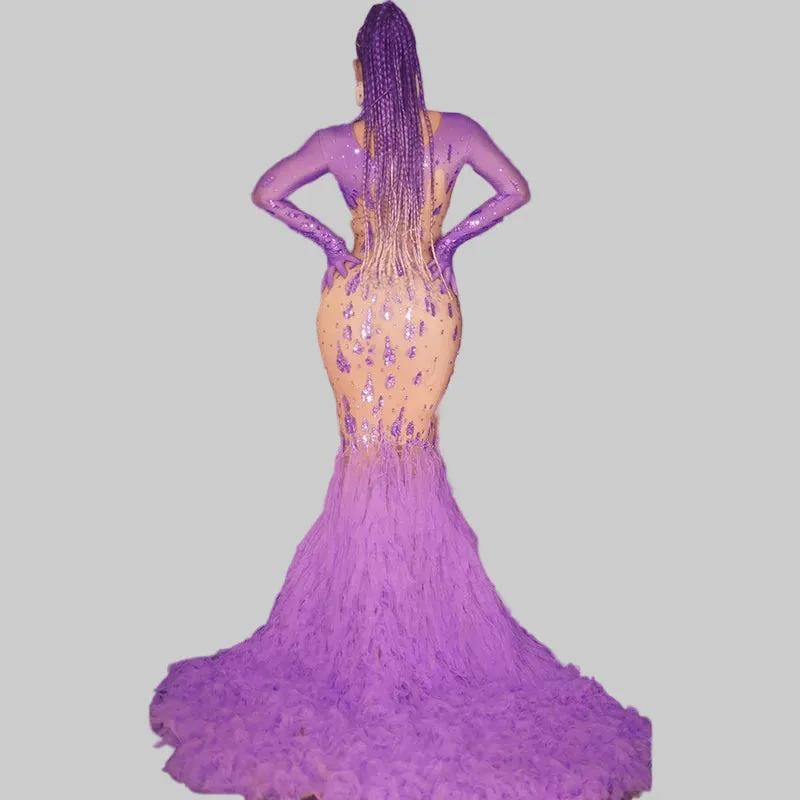
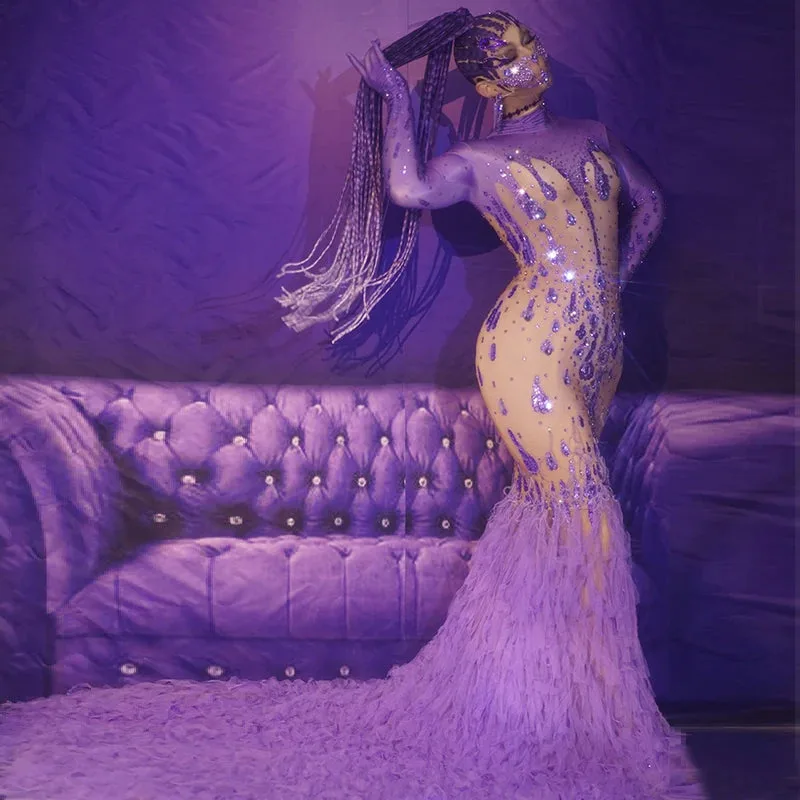
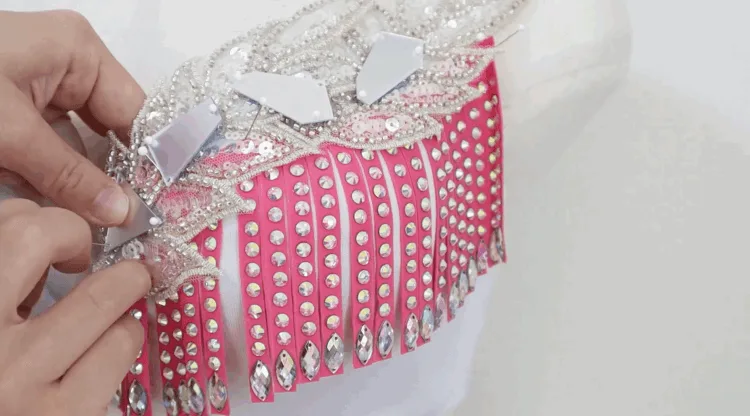
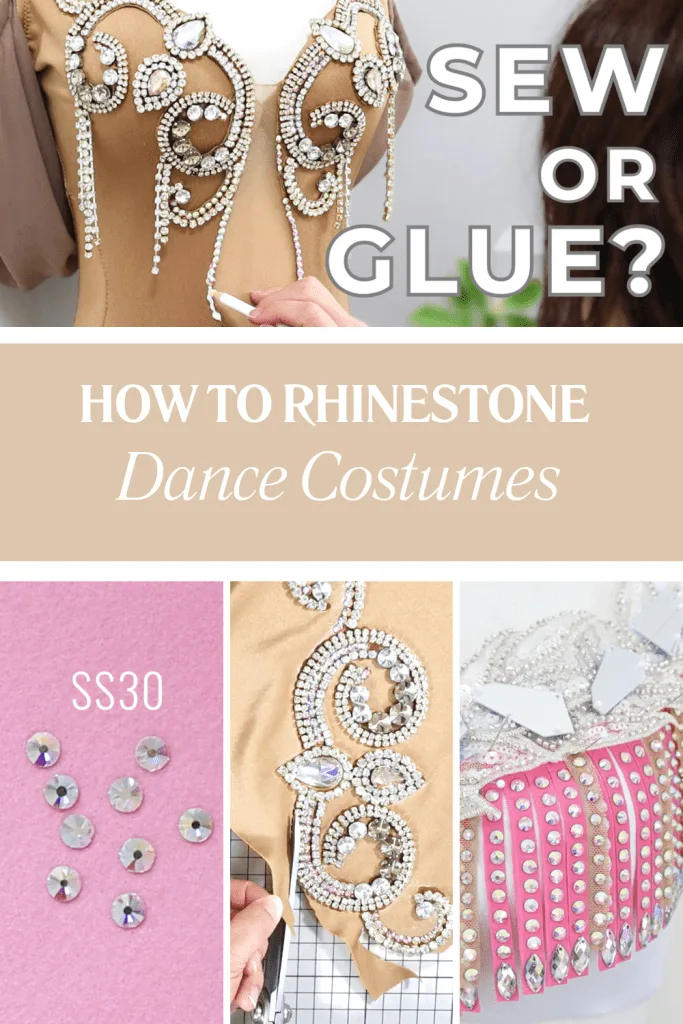
Materials
7 items
Budget
$300 - $1200
save the visual refs
Full reference board
The preview above is curated for scanning. This is the working board you clone into your own build, with notes, colors, product images, and extra references intact.
Images are sourced from around the internet to help you get started. Use the web clipper to build your own reference library.
Reference images are gathered from around the web and belong to their original creators. We link back to where we found each one. If something here is yours and you want it taken down, email us and it is gone.
Build guide
Pageant drag operates at a different standard than club drag. The judges are 6 feet away, the lighting is bright and even, and every seam, stone, and stitch is visible. A look that kills at a bar on Saturday night might get read on a pageant stage because the construction isn't there. If you're entering competition, you're competing against people who've been doing this for years, and the details matter.
You're building a look that can withstand scrutiny from judges who know construction, impress an audience that's seen it all, and still photograph well for social media afterward. That's a high bar, and this template is structured to hit it.
Understanding Category Requirements
Before you sketch a single design, know your category. Pageant systems (Miss Continental, EOY, local bar pageants) have specific categories with specific expectations. Evening gown means floor-length, polished, and glamorous. Talent can be theatrical. Creative or fantasy categories allow more conceptual work. Swimsuit has its own proportions and construction needs.
Read the rules. Some systems have restrictions on props, headpiece size, or reveal mechanics. Showing up with a 4-foot crown when the category says "no oversized headpieces" is an instant deduction, no matter how sickening it looks.
Silhouette and Color Story
Your silhouette is your first impression. Judges and audience read your shape before they see any details. A strong, clean silhouette (nipped waist, dramatic shoulder or hip, flowing train) reads from the back of the room. A muddy silhouette with too many competing elements reads as busy.
Pick 1-2 colors maximum. Monochrome or tonal looks (all shades of one color) photograph better and read as more expensive than multicolor. Red is classic. White is risky (shows every flaw) but stunning when executed well. Black is safe but can get lost on a dark stage. Consider what the stage backdrop color is if you can find out in advance.
Garment Construction
Pageant garments need structural undergarments. A corset or waist cincher ($40-120 for steel-boned) gives you the foundation. Build the outer garment over the corset, not separate from it. The dress needs to move as one piece with your body, not shift and gap.
If you're constructing the garment yourself, use fashion fabric with body (crepe-back satin, stretch duchess satin, power mesh for illusion panels). Lining matters. An unlined garment looks cheap under bright lights because you can see through it. Line everything, even if it adds 3 hours of construction time.
Closures need to be invisible and secure. An invisible zipper in the back, hook-and-eye at the top, and a safety hook as backup. If your garment opens on stage, you lose the category. Period.
Rhinestones and Couture Details
Pageant stoning is a different level than club stoning. You need more stones, better placement, and often larger sizes. Plan your stone layout on paper first. Common patterns: cascade from shoulder to hip, concentrated at the neckline and wrist, or all-over coverage.
For competition-level stoning, use at least SS20 stones (about 5mm). Smaller stones disappear under stage lights. Mix sizes (SS16, SS20, SS30) for depth. Apply with Gem-Tac or E6000, working in 6-inch sections. A fully stoned gown uses 2000-5000+ stones and takes 10-20 hours of application. Budget $40-150 for stones depending on quality and coverage.
Trim and appliques (beaded appliques from fabric stores or online, $10-40 each) can substitute for full stoning on areas where you want detail without hand-placing individual crystals.
Wig Styling
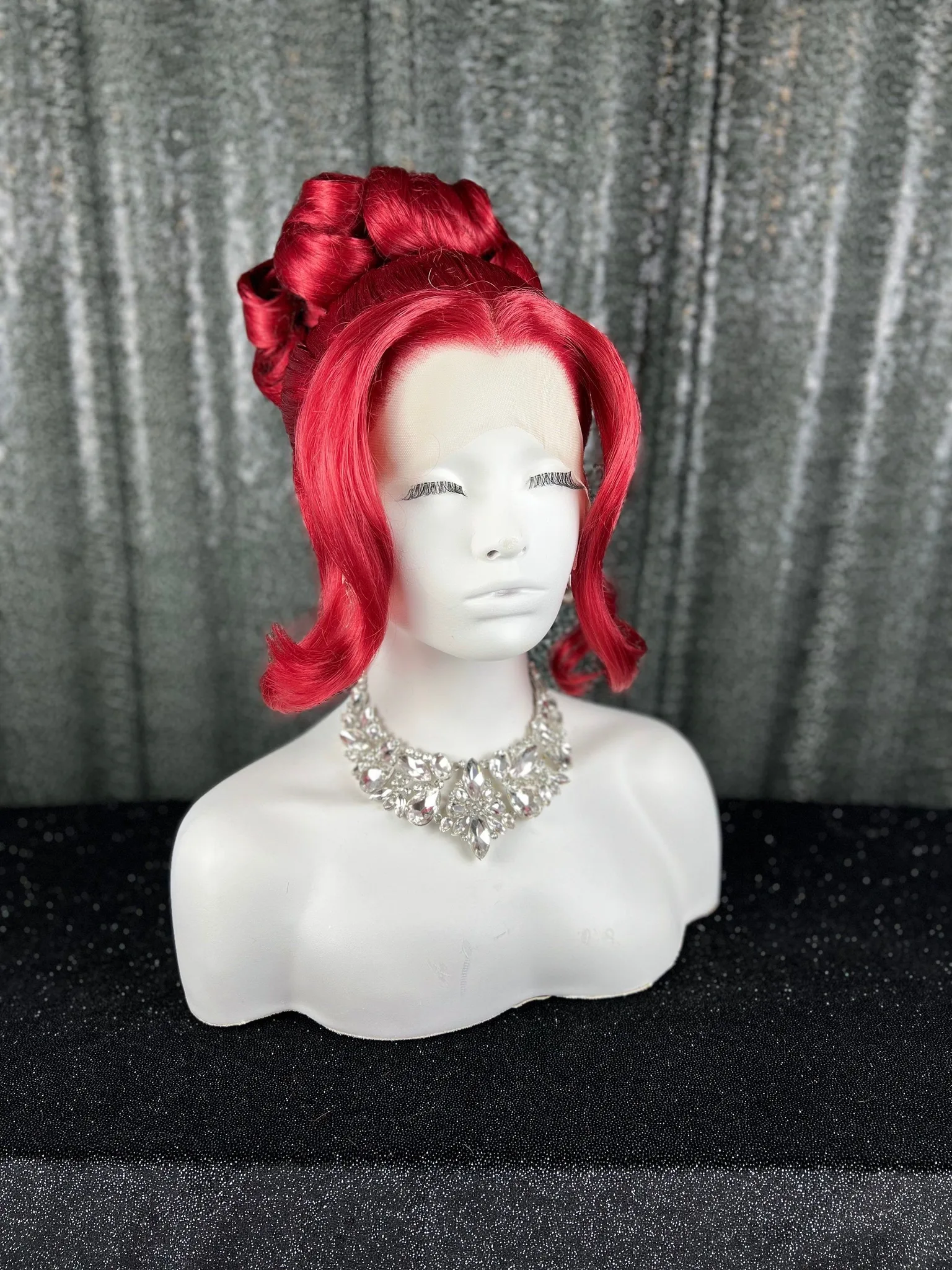
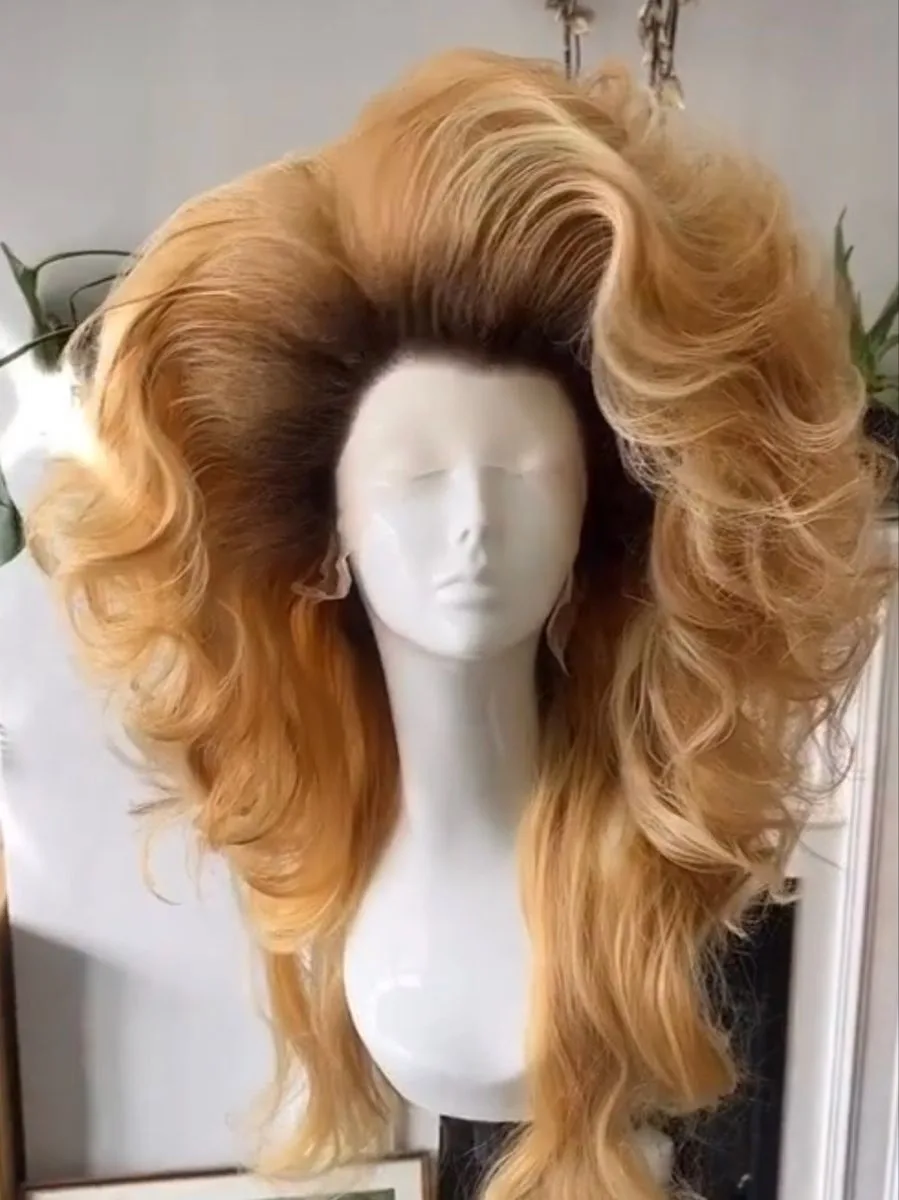
Pageant wigs need to be styled, not just worn. A raw wig out of the bag won't cut it. Invest in a quality synthetic lacefront ($40-80) or human hair unit ($150-400) that you style specifically for this look.
Set the style on a canvas wig head with T-pins. Build volume at the crown (tease with a rat-tail comb, set with hairspray in layers). For updo styles, pin every section individually and lock with spray. The wig needs to survive a full presentation walk, a possible on-stage turn, and waving to the crowd without shifting.
Jewelry and Crown
Statement jewelry completes the look. One strong necklace or choker, matching earrings, and optional bracelet. Don't over-accessorize. Judges look for cohesion, not quantity.
If the category allows crowns or headpieces, invest in quality. A $15 tiara from Amazon looks like a $15 tiara from 6 feet away. A well-made crown or headpiece ($40-150 from pageant supply shops or custom makers) elevates the entire look. Make sure it's secured to the wig with bobby pins and wig clips. A crown falling off on the runway is a nightmare.
Makeup Under Stage Lighting
Test your beat under the strongest, warmest light you can find. Stage lights wash out color, so go 30-40% heavier on blush, contour, and lip color than you normally would. What looks "too much" in your bathroom reads as "correct" under stage spots.
Bake thoroughly. Pageant sets are long, and you'll be under hot lights for extended periods. Coty Airspun or Ben Nye Luxury Powder, set with Urban Decay All Nighter or a theatrical setting spray. Your makeup needs to last 2-4 hours without touch-ups.
Presentation Rehearsal
Walk the full presentation in complete look: garment, corset, padding, wig, shoes, jewelry. Practice your turns, your poses, and your walk. Time it if the category has a time limit.
Film yourself and watch it back. You'll catch things you can't feel in the moment: a hem that drags, a wig that shifts when you turn, jewelry that swings too much. Fix these before competition day.
Common Mistakes
- Ignoring category rules. Read them twice. Then read them again. Violating a rule means you lose, regardless of how good your look is.
- Competing in a look you've never worn. If you haven't done a full rehearsal in the complete look including shoes, you're gambling. Heels you've never walked in plus a dress you've never sat down in equals disaster.
- Cutting corners on construction. Pageant judges see construction. Unfinished seams, crooked zippers, and visible hem tape get noticed. If you can't construct at competition level, have the garment professionally made and focus your budget there.
- Under-stoning for stage. Club stoning and pageant stoning are different levels. If your garment doesn't catch light from 20 feet away, add more stones. You want the judges squinting from the sparkle, not leaning in to see the detail.
- Forgetting the back. Judges see your back as you exit the stage. The back of your garment needs to be as polished as the front. No visible zippers, no gapping, no bare spots in the stoning.
Pageant looks are an investment. Budget 6 weeks minimum, plan your money carefully, and don't rush the finishing. The details are literally what wins.
Components
Competition garment
Styled wig
Jewelry set
Presentation package
Materials list
7 itemsEstimated total cost
$300 - $1200
Milestone timeline
6 weeks- 1
Define category requirements
concept
- 2
Sketch silhouette and color story
concept
- 3
Source fabric, trim, and stones
sourcing
- 4
Construct or fit garment base
Construction
- 5
Add rhinestones and couture details
Construction
- 6
Style competition wig
wig
- 7
Plan jewelry, crown, and shoes
sourcing
- 8
Test makeup under stage lighting
makeup_test
- 9
Run full presentation rehearsal
rehearsal
- 10
Steam, inspect, and pack
Packing
Frequently
asked questions.
Related tools and guides
Plan your build, estimate costs, and get ready.
Budget Calculator
Estimate your build cost before you start buying materials.
Convention Checklist
88-item packing checklist. Check off items as you pack.
Prop Scaling Calculator
Scale reference images to your body measurements.
How Much Does a Drag Look Cost?
Real build budgets with specific products and dollar amounts.
Drag Makeup Under Stage Lights
Real build budgets with specific products and dollar amounts.
Drag on Costumary
Templates, tools, and workspace built for drag makers.
Browse all templates
Explore build plans across 10 craft verticals.
Start this build free
Clone this template into your workspace. Track materials, milestones, budget, and build progress in one place.
Related templates
Character Look
4 weeks · 8 milestones
Recreate a recognizable pop culture character, theme, or era through drag with costume sourcing, wig styling, character-specific makeup, props, and performance planning. This template bridges drag and cosplay for themed numbers that need to be both accurate and stage-ready.
Commission Look
6 weeks · 9 milestones
Build a stage-ready look for another performer, managing the full process from concept approval through measurements, construction, fittings, embellishment, and delivery. This template adds client communication checkpoints to the garment construction workflow.
Quick Look
1 weeks · 7 milestones
Assemble a polished look from your existing wardrobe, wig collection, and makeup kit in a day or less. Built for open stage nights, last-minute bookings, or low-effort concepts that still look intentional on stage.
Performance Look
3 weeks · 10 milestones
Build a complete stage look around a specific number, covering garment selection or construction, wig styling, full beat, accessories, and rehearsal. This template coordinates every element so nothing gets forgotten between concept and curtain call.