
Display Piece
Push a single miniature to its absolute best for a shelf, competition, or portfolio piece. This template covers mood references, subassembly planning, display base construction, value sketching, advanced blending, face and eye detail, and final photography for a model that's meant to be studied up close.
6 weeks
9
6
3
See the whole look before you start.
References, materials, budget, and build order for Display Piece.
Timeline
6 weeks
Color refs
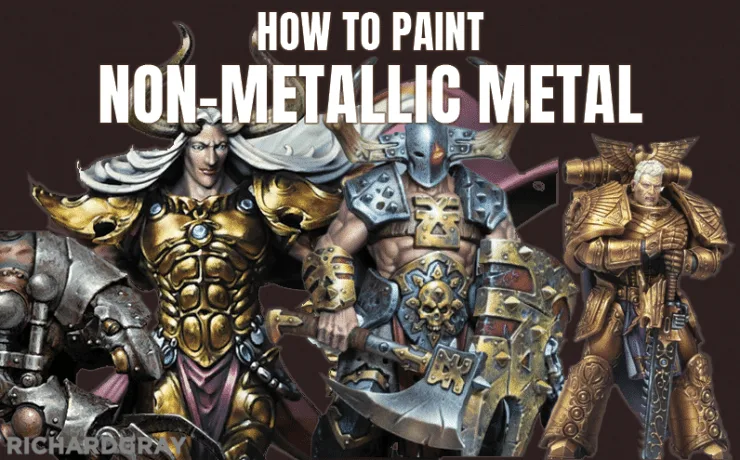
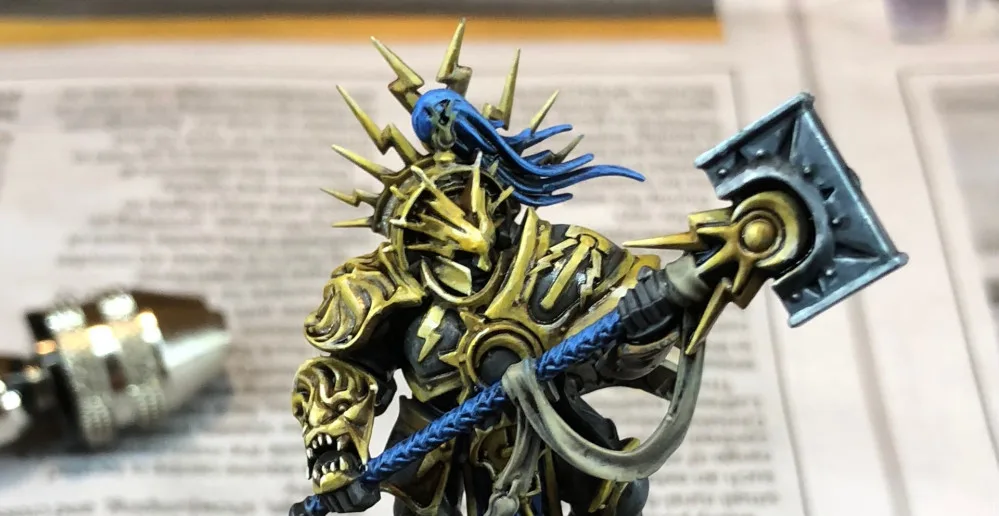
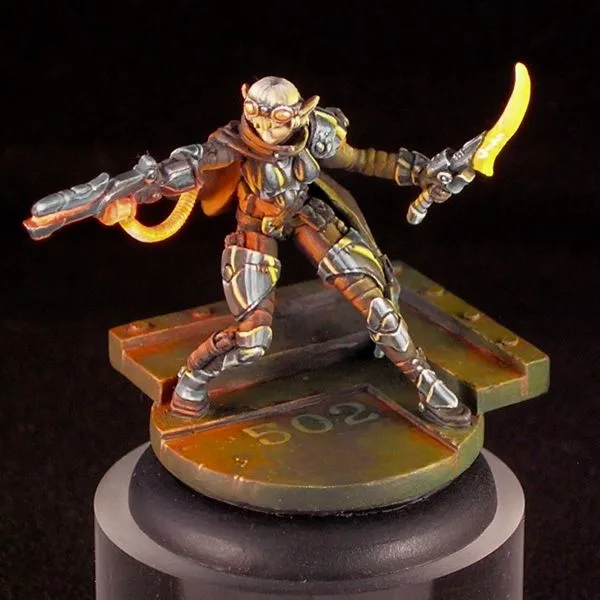
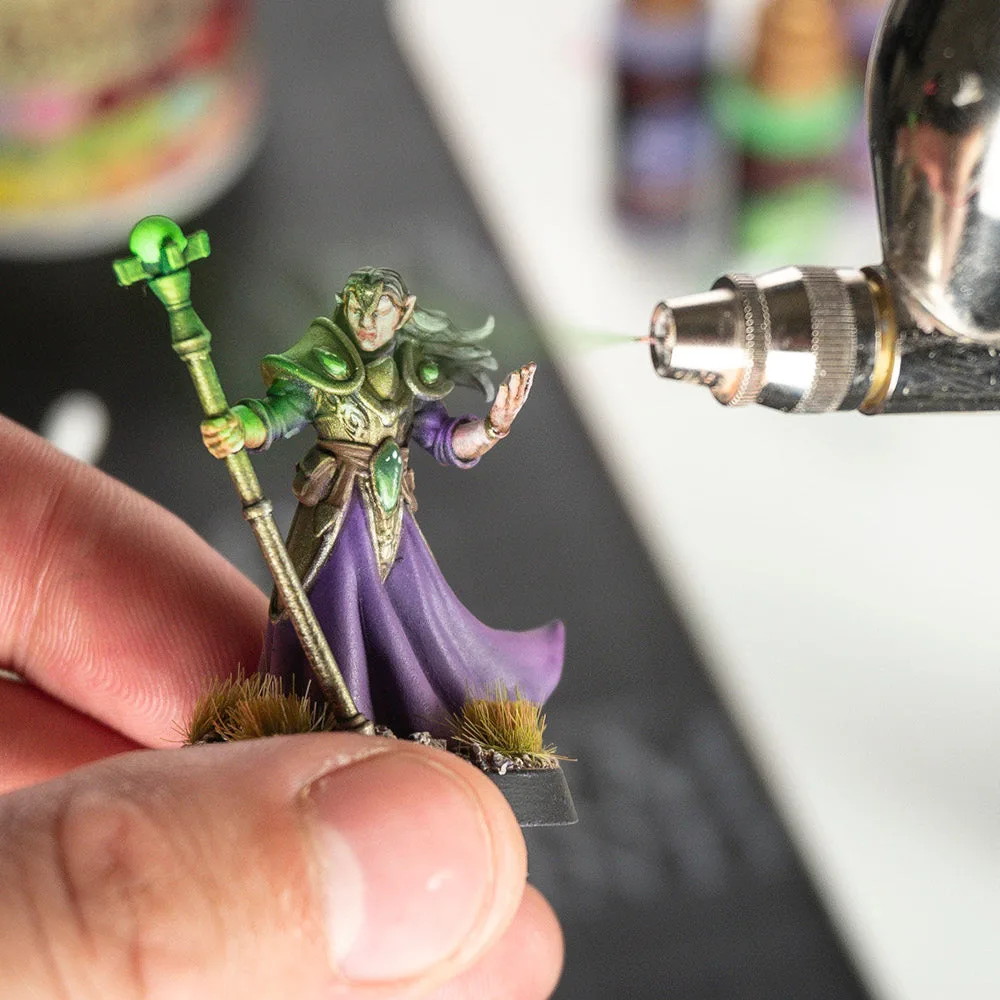
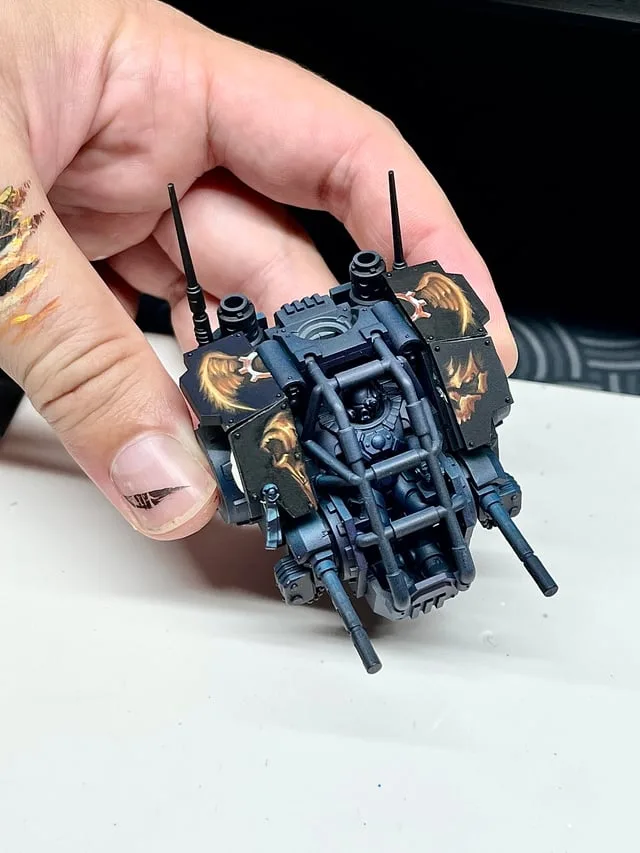
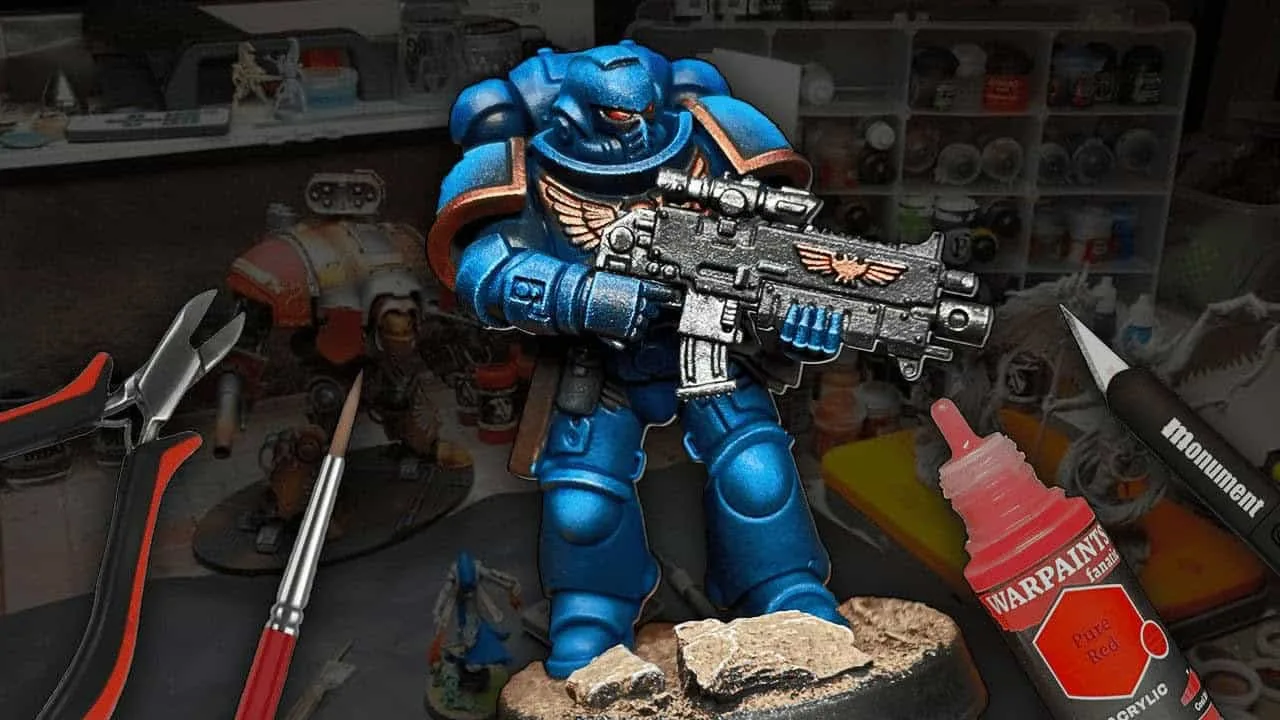
Materials
6 items
Budget
$40 - $150
save the visual refs
Full reference board
The preview above is curated for scanning. This is the working board you clone into your own build, with notes, colors, product images, and extra references intact.
Images are sourced from around the internet to help you get started. Use the web clipper to build your own reference library.
Reference images are gathered from around the web and belong to their original creators. We link back to where we found each one. If something here is yours and you want it taken down, email us and it is gone.
Build guide
A display piece is the opposite of batch painting. One model, all your attention, no compromises. The finished model becomes a portfolio piece you can point to and say "I did that."
You'll plan and execute a competition-quality miniature from concept through final photography, including a display base that frames the model as a complete composition.
References and Concept
Before touching the model, collect references. Not just box art. Pull fine art paintings for color mood, screenshots from games for atmosphere, and close-up photos of award-winning miniatures in a similar style.
Pin down three decisions early: where the light comes from (your key light direction), your color palette (2-3 main hues plus a spot color), and the focal point (usually the face or a glowing weapon). Every painting decision flows from these three choices.
Subassemblies and Prep
Display models almost always need subassemblies. If a weapon crosses the face or a cloak covers back detail, those parts get painted separately. Pin with brass rod for alignment, but don't glue until both parts are painted.
Clean mold lines obsessively. On a display piece viewed from inches away, every imperfection shows. Scrape with a hobby knife, smooth with 400-600 grit sandpaper, check under strong light. Fill gaps with Milliput or Vallejo Plastic Putty.
The Display Base
A display piece without a base is like a painting without a frame. Cork, XPS foam, epoxy putty, or a wooden plinth from a craft store all work. The base should complement the model, not compete with it. Build it early to plan pose and foot placement. A plinth raises the model to eye level and signals "this is meant to be studied."
Value Sketching and Painting
After priming, sketch values before any color. Paint in greyscale to establish where light hits and shadows fall. Thinking about values before hue leads to more dramatic miniatures.
Start with your largest areas and work toward details. Build up from shadow tones through midtones to highlights using layering, wet blending, or glazing. Wet blending (loading two colors and blending while wet) works on large smooth surfaces. Glazing (very thin transparent layers over dried paint) is more forgiving. Scale75 and Vallejo handle extreme thinning well. Focus your highest contrast at the focal point. The eye is drawn to contrast.
Face, Eyes, and Micro Details
The face sells the model. Start with midtone skin (Vallejo Basic Skintone or Citadel Cadian Fleshtone), shade eye sockets and under the nose with the base plus red-brown, then highlight forehead, nose bridge, and cheekbones with pale flesh.
Eyes at display quality: dark brown socket, off-white dot for the eye, thin vertical pupil line. A Windsor & Newton Series 7 or Raphael 8404 in size 0 is worth every penny here.
Integration and Photography
Attach subassemblies with super glue and pins. Touch up join spots. Add final touches: gloss varnish on lenses, pigment powders on boots, static grass at the base edge. Matte varnish everything (Vallejo Premium Matte or AK Interactive Ultra Matte).
Photograph with two desk lamps at 45 degrees, a clean backdrop, and your phone on macro mode. Shoot from eye level. Take 4-6 shots: front, back, sides, face close-up, and one showing the base.
Common Mistakes
- No clear focal point. Push contrast hardest at the face or most important element. If everything is equal, nothing stands out.
- Overworking blends. If a transition isn't working, let it dry, glaze over it, and try again. Going back ten times makes it worse.
- Neglecting the base. The base is part of the composition. It doesn't need to be elaborate, but it needs to be intentional.
- Skipping subassemblies. Painting behind a weapon with the model fully assembled leads to frustration and missed spots.
- Poor photography. A competition-level paintjob photographed under one desk lamp with a messy background does the work no justice.
Display painting is slow, frustrating, and the most rewarding thing in this hobby.
Components
Miniature
Scenic base
Photo setup
Materials list
6 itemsEstimated total cost
$40 - $150
Milestone timeline
6 weeks- 1
Collect mood, lighting, and color references
planning
- 2
Prep model and plan subassemblies
prep
- 3
Build display base composition
basing
- 4
Prime and sketch values
priming
- 5
Paint main volumes and focal point
painting
- 6
Refine blends, texture, and contrast
refinement
- 7
Paint face, eyes, and micro details
Details
- 8
Integrate model with display base
basing
- 9
Matte varnish and final photography
Finishing
Frequently
asked questions.
Related tools and guides
Plan your build, estimate costs, and get ready.
Budget Calculator
Estimate your build cost before you start buying materials.
Convention Checklist
88-item packing checklist. Check off items as you pack.
Prop Scaling Calculator
Scale reference images to your body measurements.
How Much Does Miniature Painting Cost?
Real build budgets with specific products and dollar amounts.
Miniature Painting Commission Pricing
Real build budgets with specific products and dollar amounts.
Miniature Painting on Costumary
Templates, tools, and workspace built for miniature painting makers.
Browse all templates
Explore build plans across 10 craft verticals.
Debut your miniature painting build
Upcoming conventions where you could wear this. Dates, checklists, and budget tools included.
AdeptiCon 2027
Apr 7-11 · Milwaukee, WI
Five days of Warhammer, Infinity and historicals tournaments, with hobby seminars for people who'd rather paint than play. The 2027 event moves to the Baird Center in Milwaukee, so book travel around the new city and not Schaumburg.
NOVA Open 2027
Sep 1-5 · Arlington, VA
A five-day competitive miniature wargaming event near DC, built around tournaments and hobby seminars. If you paint more than you play, the seminar track is the reason to come.
Start this build free
Clone this template into your workspace. Track materials, milestones, budget, and build progress in one place.
Related templates
Army Project
12 weeks · 11 milestones
Plan and execute a full army build without losing your paint recipes, forgetting what's primed, or burning out halfway through. This template breaks a massive backlog into playable milestones with scheme tests, batch sequencing, centerpiece scheduling, and storage planning.
Unit / Squad
4 weeks · 10 milestones
Paint a cohesive squad or warband using a batch painting workflow that keeps your color scheme consistent across every model. This template covers scheme planning, batch priming, assembly-line basecoating, shared washes, individual details, decals, and unified basing.
Commission Batch
6 weeks · 9 milestones
Manage a client painting commission from intake to shipping with clear approval checkpoints, documented paint recipes, batch progress tracking, and professional packing. This template keeps client expectations aligned at every stage so there are no surprises at handoff.
Kitbash / Conversion
5 weeks · 8 milestones
Build a unique miniature by combining parts from multiple kits, sculpting custom details with greenstuff or Milliput, and painting the result into a cohesive model. This template covers concept sketches, donor kit sourcing, pinning, gap filling, sculpting, and painting a conversion that looks intentional rather than cobbled together.
Terrain / Basing
3 weeks · 7 milestones
Build and paint terrain pieces, scatter, or a full set of matching bases for your army. This template covers theme selection, foam and cork construction, texture application, priming, drybrushing, foliage, and durable sealing so your table or bases survive regular game nights.
Single Miniature
2 weeks · 8 milestones
Take one model from sprue to shelf with a clear, repeatable workflow. This template walks you through mold line cleanup, priming, basecoats, washes, highlights, basing, and varnish so nothing gets skipped and every paint recipe is saved for next time.