Full Suit
Plan a complete fursuit build from head to toe, covering digitigrade vs. plantigrade decisions, bodysuit patterning, padding placement, cooling strategy, and the multi-month timeline it actually takes. This template is for experienced makers ready for the big one.
20 weeks
10
7
5
See the whole look before you start.
References, materials, budget, and build order for Full Suit.
Timeline
20 weeks
Color refs
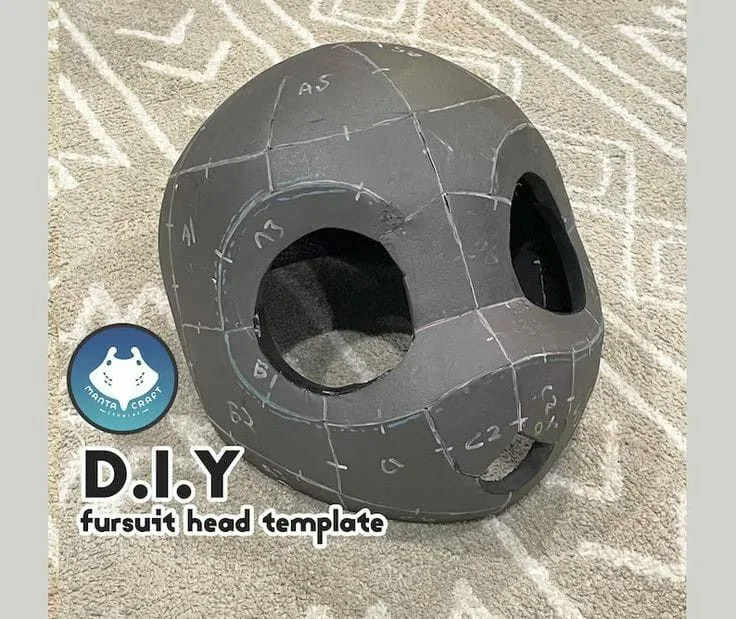
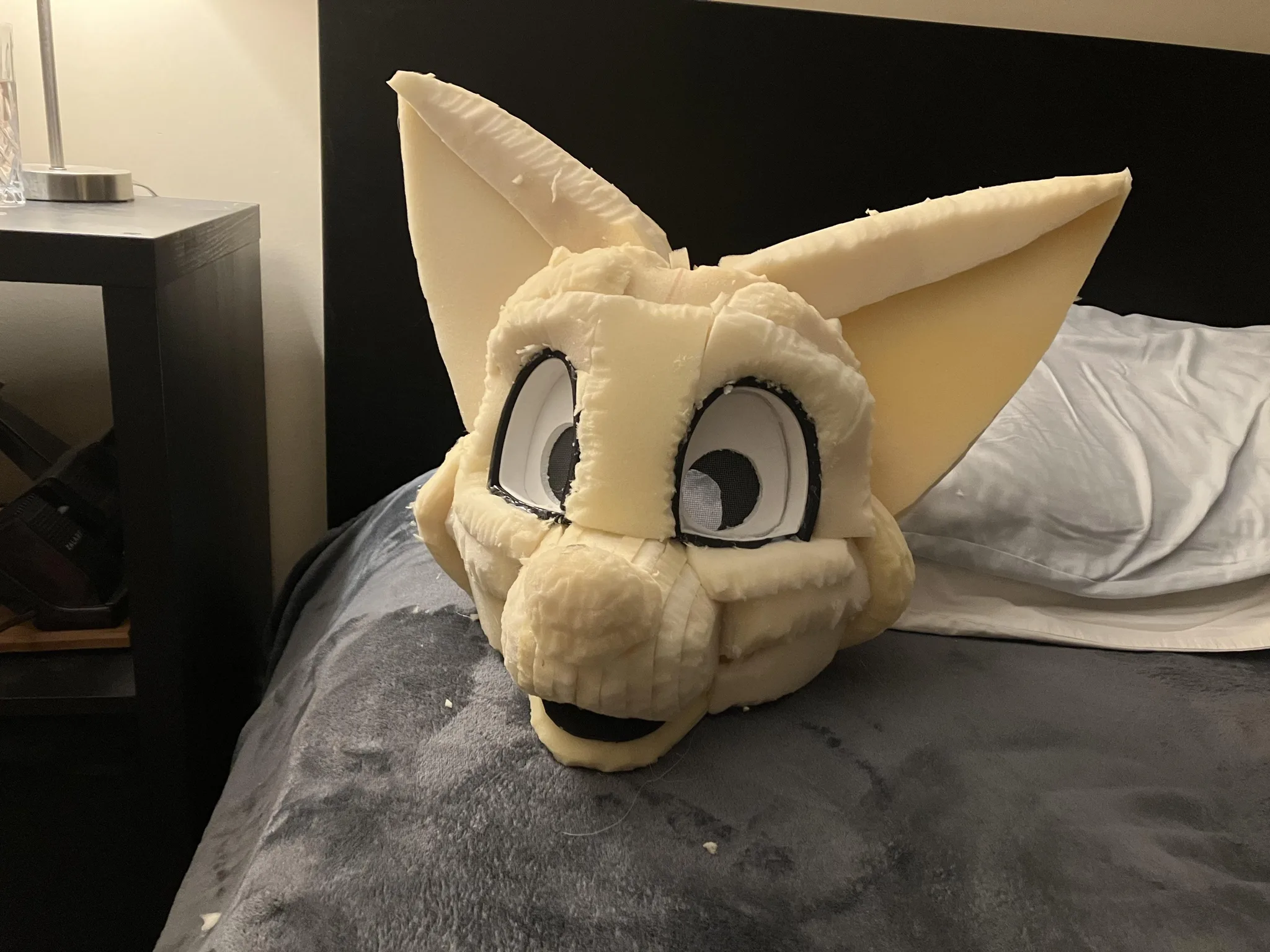
Materials
7 items
Budget
$400 - $1200
save the visual refs
Full reference board
The preview above is curated for scanning. This is the working board you clone into your own build, with notes, colors, product images, and extra references intact.
Images are sourced from around the internet to help you get started. Use the web clipper to build your own reference library.
Reference images are gathered from around the web and belong to their original creators. We link back to where we found each one. If something here is yours and you want it taken down, email us and it is gone.
Build guide
A full suit is the Mount Everest of fursuit making. You're building a wearable costume that covers every inch of your body, moves with you, and needs to survive hours of suiting at conventions. This is not a weekend project. It's a 4-5 month commitment at minimum, and the planning phase alone can take weeks.
If you haven't built at least a head and a set of paws before, go do that first. Seriously. A full suit amplifies every skill gap. If your seams are sloppy on handpaws, they'll be catastrophic across 6+ yards of bodysuit fur.
Digitigrade vs. Plantigrade
This is the first decision and it affects everything else. Plantigrade means your legs look normal (flat-footed, human proportions). Digitigrade means your legs have that animal-leg shape with built-up calves and a forward-leaning ankle, like a dog walking on its toes.
Digi legs look incredible but add $50-100 in extra foam and padding materials, 10-15 hours of construction time, and a real learning curve for walking naturally. They also make stairs, sitting, and driving harder. If your character's species would naturally have digi legs (canines, felines, dragons), it's worth the effort. If you're building a bear or ape type character, plantigrade makes more sense anyway.
The Duct Tape Dummy
A DTD is basically mandatory for a full suit. Have a friend wrap you in duct tape over a base layer of clothing (wear something you don't mind cutting off). Mark shoulder seams, center front, center back, inseam, and any marking boundaries while the tape is still on you. Then carefully cut it off and stuff it with newspaper or polyfil. This is your dress form for the entire build.
A good DTD takes about 90 minutes to make and saves you dozens of hours of fit adjustments later. Don't skip this step. Flat pattern drafting without a DTD almost always results in a baggy or tight bodysuit that needs major rework.
Bodysuit Patterning and Construction
The bodysuit is the largest single piece and where most of your fur goes. Plan for 4-6 yards of long pile fur for the main body color alone, plus 1-3 yards of accent colors. At $15-25 per yard for decent quality, the fur bill alone can hit $150-250.
Pattern the bodysuit on your DTD by drawing seam lines with marker, then cutting the duct tape along those lines to create flat pattern pieces. Add seam allowance (3/8 to 1/2 inch for fur). Transfer markings for color changes and fur direction.
Sew the bodysuit inside out with a heavy-duty sewing machine. A standard home machine can handle short pile fur, but long pile (2+ inches) benefits from a walking foot attachment or an industrial machine. Hand-sewing a full bodysuit is possible but takes forever.
Install a zipper or closures along the back. Most builders use a heavy-duty separating zipper, 22-30 inches depending on your torso length. YKK #5 or #10 zippers from Zipper Shipper or Wawak run $8-15 and are worth the upgrade over craft store zippers.
Padding and Silhouette
Padding shapes your character's silhouette. Shoulder padding, chest padding, and hip padding transform a human body into something more animal. Use upholstery foam or foam padding sheets ($10-20 from Joann) cut to shape and sewn or hot-glued inside the bodysuit.
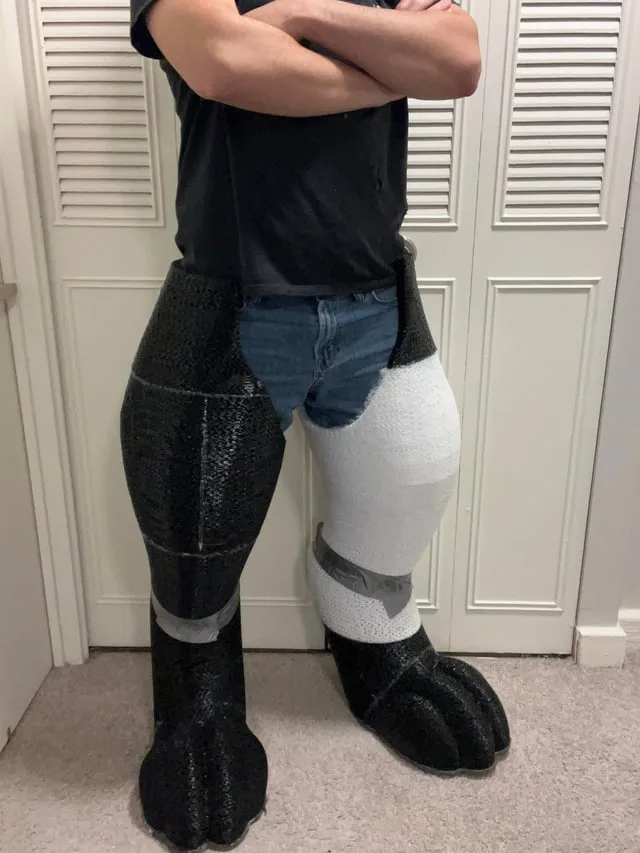
For digi legs, the calf padding is built on top of your leg using foam covered in athletic mesh, then the fur bodysuit goes over everything. Some builders make the digi padding as a separate wearable piece that straps on, which makes the bodysuit easier to get on and off.
Cooling Solutions
Full suits trap an enormous amount of heat. Without a cooling plan, you'll last maybe 15-20 minutes before you need to de-suit. Options from cheapest to most effective:
Under Armour or similar moisture-wicking base layer ($30-50). Wear this under the suit instead of cotton. It won't cool you down but it manages sweat better.
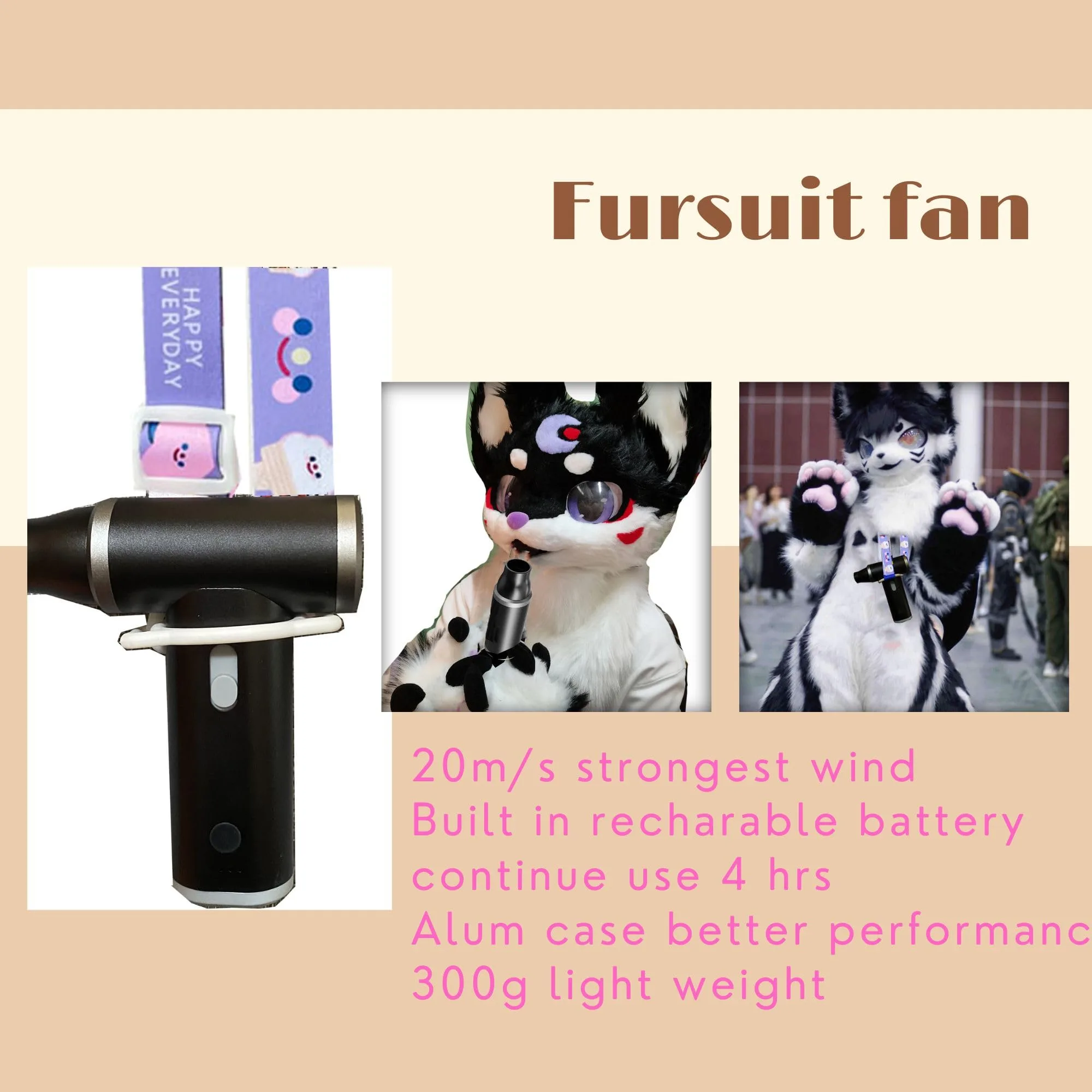
A small personal fan in the head (covered in the head base template). This helps with face fog and breathing but doesn't cool your body.
A cooling vest like the EZCooldown or similar ice vest ($40-80). Fill it with ice packs, wear it under the suit. This is the gold standard. It gives you 1-2 hours of comfortable suiting depending on ambient temperature. Bring backup ice packs in a cooler.
Assembly and Fit Testing
Once the bodysuit, head, paws, feetpaws, and tail are all constructed, do a full suit-up with every piece and all padding. Move around for at least 30 minutes. Sit down, stand up, walk stairs, reach overhead, crouch. Every motion that's uncomfortable now will be worse after 2 hours at a con.
Check that zippers operate smoothly, padding doesn't shift, sight lines are clear when looking down (stairs!), and nothing restricts breathing or blood flow. Mark any problem areas with pins and fix them before final shaving and finishing.
Final Finishing
Shave and brush the entire suit with pet clippers and a slicker brush. This is a full-day job on a full suit. Go section by section, starting with the head and working down. Blend the seams between body panels by brushing fur over them. Steam out any crushed areas with a garment steamer held 6 inches away.
Common Mistakes
- Starting a full suit without prior experience. Build a head and partial first. The skills don't transfer directly from other crafts. Fursuit construction has its own toolbox of techniques.
- Underestimating fur costs. A full suit can use 8-12 yards of fur. At $15-25 per yard, that's $120-300 just in fur. Buy it all at once from the same dye lot.
- No cooling strategy. If you don't plan for heat management, your beautiful suit will sit in a closet because wearing it is miserable. Budget for a cooling vest.
- Making the bodysuit too tight. You need room for padding, a base layer, and a cooling vest underneath. Pattern the bodysuit over your DTD with all those layers already on it.
- Rushing the finishing. Shaving and brushing takes 8-12 hours on a full suit. This is where amateur builds become professional-looking ones. Don't skip it.
A full suit is a huge investment of time and money. Plan your timeline backward from your target event and add 2 weeks of buffer. You'll need it.
Components
Body suit
Head
Paws and feetpaws
Tail
Padding
Materials list
7 itemsEstimated total cost
$400 - $1200
Milestone timeline
20 weeks- 1
Finalize full-body ref sheet
design
- 2
Create duct tape dummy
Patterning
- 3
Plan padding and silhouette
Patterning
- 4
Build head and facial details
sculpting
- 5
Pattern body and markings
Patterning
- 6
Cut and sew body fur
furring
- 7
Build handpaws, feetpaws, and tail
assembly
- 8
Install padding and closures
assembly
- 9
Full fit and movement test
Fitting
- 10
Final shaving, brushing, and repairs
Finishing
Frequently
asked questions.
Related tools and guides
Plan your build, estimate costs, and get ready.
Budget Calculator
Estimate your build cost before you start buying materials.
Convention Checklist
88-item packing checklist. Check off items as you pack.
Prop Scaling Calculator
Scale reference images to your body measurements.
How Much Does a Fursuit Cost in 2026?
Real build budgets with specific products and dollar amounts.
How Much Does It Cost to Make a Fursuit?
Real build budgets with specific products and dollar amounts.
Fursuit Making on Costumary
Templates, tools, and workspace built for fursuit making makers.
Browse all templates
Explore build plans across 10 craft verticals.
Debut your fursuit making build
Upcoming conventions where you could wear this. Dates, checklists, and budget tools included.
Midwest FurFest 2026
Dec 3-6 · Rosemont, IL
One of the largest furry conventions globally, held annually in suburban Chicago.
Further Confusion 2027
Jan 14-18 · San Jose, CA
One of the oldest furry conventions, five days in San Jose in the middle of January. Established, well organised, and a good place to debut a suit without the summer heat working against you.
Anthrocon 2027
Jul 1-4 · Pittsburgh, PA
The world's largest furry convention takes over downtown Pittsburgh for four days across the July 4th weekend. If you're bringing a fursuit, plan for real humidity and pack cooling gear. The Saturday parade is the thing to see.
Start this build free
Clone this template into your workspace. Track materials, milestones, budget, and build progress in one place.
Related templates
Partial Suit
10 weeks · 12 milestones
Plan and build a cohesive partial fursuit (head, handpaws, tail, and feetpaws) as one unified project. This template coordinates fur matching, timing, and construction order so every piece looks like it belongs together.
Head Base
6 weeks · 9 milestones
Build a fursuit head from scratch using upholstery foam or a resin blank, covering everything from initial carving through furring and finishing. This template walks you through muzzle shaping, eye installation, jaw mechanics, and fur patterning on the most visible piece of any suit.
Commission Suit
16 weeks · 10 milestones
Manage a client fursuit commission from initial quote through final shipping, with built-in checkpoints for ref sheet approval, fur swatch matching, progress photos, fitting verification, and delivery logistics. Built for makers running a commission business.
Accessories
3 weeks · 7 milestones
Build small fursuit pieces like tails, ears, handpaws, or arm sleeves without committing to a full head or suit. Perfect for first-time makers, convention add-ons, or quick character pieces that pair with street clothes.