Zenitsu Agatsuma Cosplay
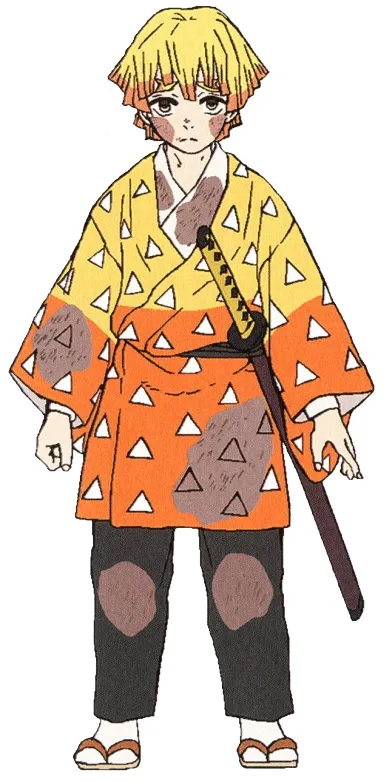
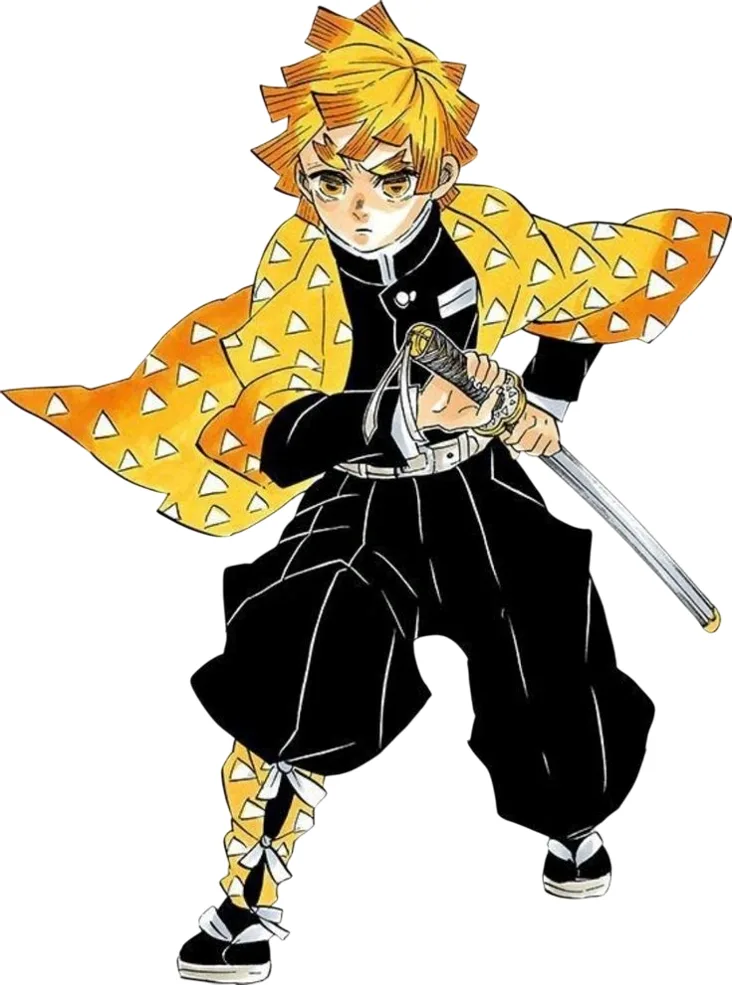
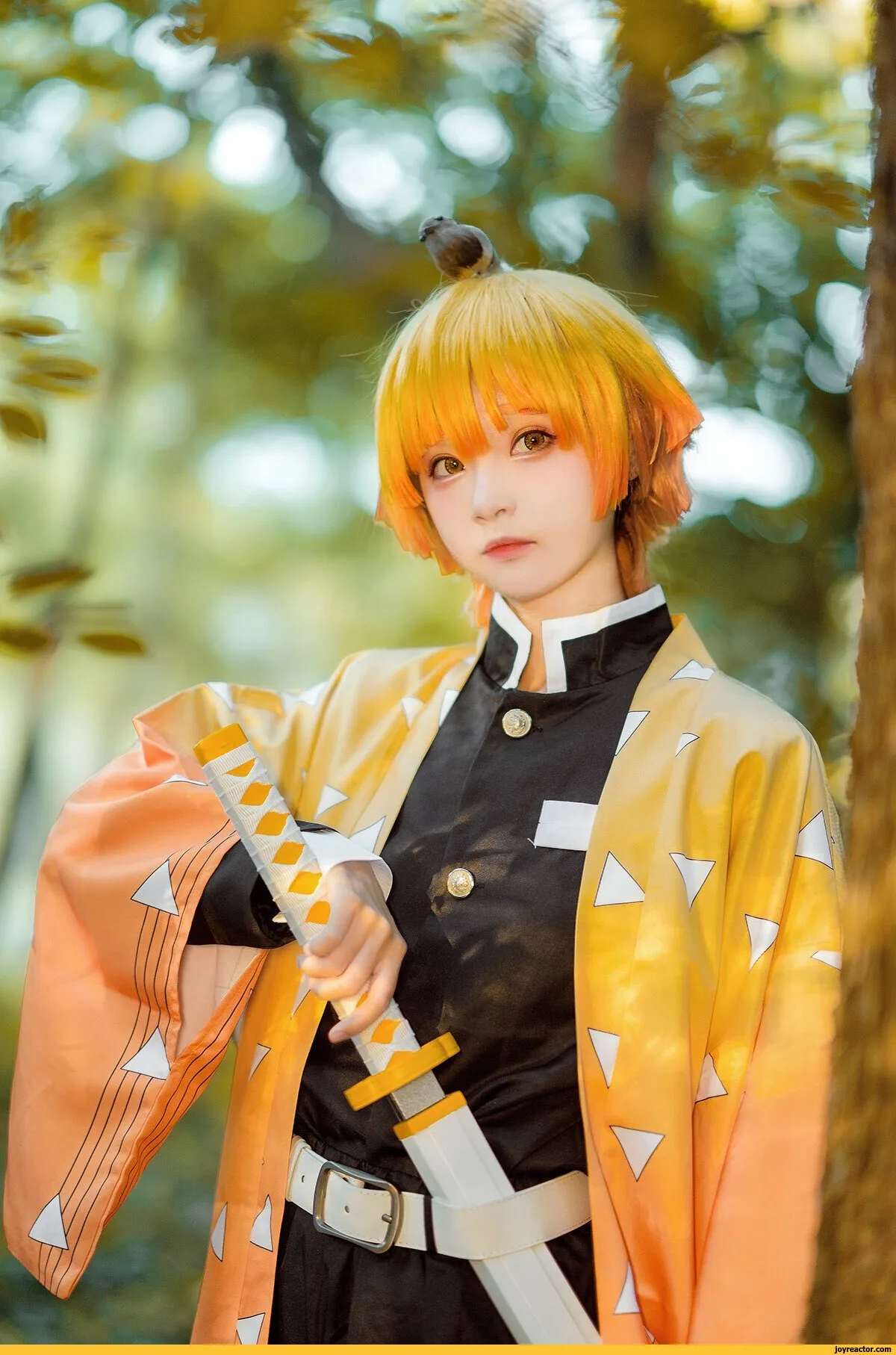
Zenitsu Agatsuma: the yellow-haori Thunder Breathing swordsman from Demon Slayer. This build covers the gradient urokomon haori, the Demon Slayer Corps gakuran uniform jacket, hakama pants, kyahan leg wraps, and the iconic yellow-to-orange ombre wig. The haori is the make-or-break piece; the triangle print needs sublimation or stenciling. 6 components, 13 materials, ~5 weeks, $100-260.
5 weeks
13
13
6
See the whole look before you start.
References, materials, budget, and build order for Zenitsu Agatsuma.
Timeline
5 weeks
Color refs


Materials
13 items
Budget
$100 - $260
save the visual refs
Full reference board
The preview above is curated for scanning. This is the working board you clone into your own build, with notes, colors, product images, and extra references intact.
Images are sourced from around the internet to help you get started. Use the web clipper to build your own reference library.
Reference images are gathered from around the web and belong to their original creators. We link back to where we found each one. If something here is yours and you want it taken down, email us and it is gone.
Build guide
I've seen more wrong Zenitsu haori than I care to count. The yellow is wrong. The triangles are hand-painted and wobbly. The gradient is a flat neon blob.
Fix the haori first and you've fixed 80% of the build.
The correct color is amber-gold, not canary. Think #E8A020 at the base, lightening toward #F0C040 at the shoulder. Plain yellow fabric from any store will look wrong in every photo you take. Order pre-printed urokomon fabric from Spoonflower before you do anything else. Yes, $40-60 per yard feels steep. Consider it the cost of not remaking the haori.
The haori itself is five panels. DRCOS has a free downloadable haori pattern in men's sizes that nails the silhouette. Print or sublimate your fabric before you cut. Post-construction triangle painting almost always misaligns at seams, and you cannot fix it without remaking the panel.
For the gakuran jacket, CUT/SEW pattern 027 is the community choice for all Demon Slayer uniform builds. Redraft the back as a single piece first: the standard center back seam cuts right through the kanji, and no amount of vinyl precision fixes a seam in the wrong spot. Iron-on vinyl for the kanji. Baking parchment between iron and vinyl when pressing narrow points. Not optional.
Hakama pants sew in a day. Kyahan wraps are elastic-cased tubes with bow ties tacked through the knot. Decorative ties that aren't tacked will be on the floor by noon.
The wig gets light-hold hairspray, not Got2b. I built this out-of-pocket for $134 total: Spoonflower haori fabric, gabardine from the Joann in Torrance, Uwowo wig. About 4 weekends of actual work.
Expensive? Worth it. Don't make me look at another orange haori.
Components
Gradient urokomon haori
Demon Slayer Corps gakuran jacket
Hakama-style pants
Kyahan leg wraps
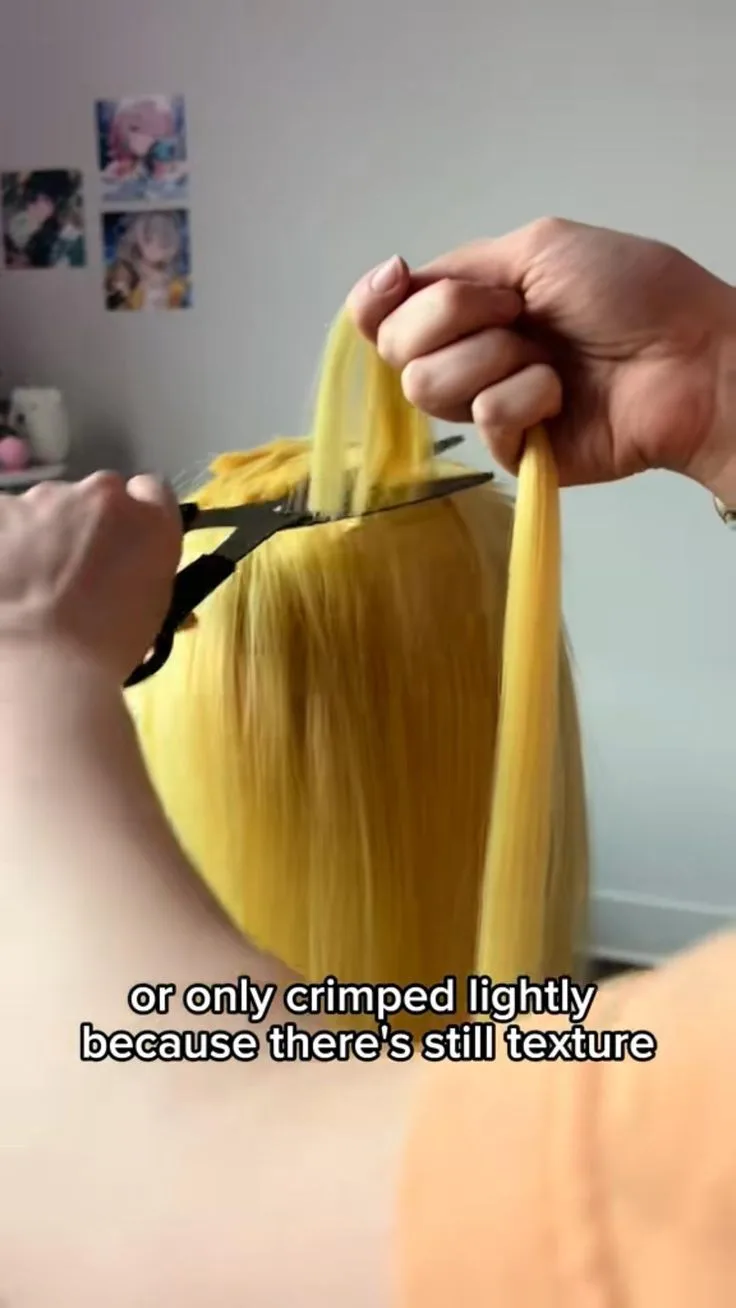
Yellow-to-orange gradient wig
Tanjiro-era sword (optional prop)
Pattern Plan
Real sewing patterns for each piece of the Zenitsu Agatsuma costume: the commercial base to start from, a free alternative where one exists, and the exact modifications that turn the base into the character-accurate piece.
Gradient urokomon haori
Modifications for gradient urokomon haori: Use the Men's M or L size for a standard haori length. Omit side panels if included , the Demon Slayer haori sits open at front with no side closure. Extend hem 5-8cm longer than the base pattern for anime-accurate length. Print fabric (sublimation or pre-printed) before cutting panels.
Modifications for gradient urokomon haori: Use the jacket portion only for the gakuran corps uniform jacket. The pattern includes built-in interlining, but add extra heavy interfacing to the collar so it stands on its own. Draft the back panel as a single piece to allow clean kanji vinyl placement. The pants from this pattern work as-is for hakama-style pants.
For the haori, the DRCOS free pattern gives the correct silhouette. The critical decision is not the pattern , it is the fabric. Print or sublimate the urokomon triangle pattern before cutting any pieces. Post-construction painting almost always misaligns at seams.
Demon Slayer Corps gakuran jacket
Modifications for demon slayer corps gakuran jacket: Eliminate the center back seam , redraft back as one piece. This is required for clean kanji iron-on vinyl placement. Reinforce collar with heavyweight sew-in interfacing for stand. Replace button front with hook-and-bar closure if preferred.
No commercial pattern is sold specifically as 'Demon Slayer Corps uniform.' CUT/SEW 027 is the community-preferred base for all Demon Slayer male gakuran builds.
Materials list
13 itemsEstimated total cost
$100 - $260
Milestone timeline
5 weeks- 1
Gather references: anime, official merch, and cosplay build photos
Research
- 2
Order and style wig
Materials
- 3
Source or print haori fabric
Materials
- 4
Source gakuran pattern
Patterning
- 5
Cut and sew gakuran jacket
Construction
- 6
Cut and sew hakama pants
Construction
- 7
Cut and sew haori panels
Construction
- 8
Apply kanji back decoration
Details
- 9
Sew kyahan and tack bows
Details
- 10
Hem and finish haori
Finishing
- 11
Test and photograph wig
Finishing
- 12
Source or build sword prop
Finishing
- 13
Full wear test: all layers, all accessories, full con day simulation
Wear test
Frequently
asked questions.
Related tools and guides
Plan your build, estimate costs, and get ready.
Budget Calculator
Estimate your build cost before you start buying materials.
Convention Checklist
88-item packing checklist. Check off items as you pack.
Prop Scaling Calculator
Scale reference images to your body measurements.
How Much Does EVA Foam Armor Cost?
Real build budgets with specific products and dollar amounts.
Cosplay Commission Cost Breakdown
Real build budgets with specific products and dollar amounts.
Cosplay on Costumary
Templates, tools, and workspace built for cosplay makers.
Browse all templates
Explore build plans across 10 craft verticals.
Debut your cosplay build
Upcoming conventions where you could wear this. Dates, checklists, and budget tools included.
Start this build free
Clone this template into your workspace. Track materials, milestones, budget, and build progress in one place.
More from this series
Tanjiro Kamado Cosplay
6 weeks · 14 milestones
Demon Slayer's water-breathing hero, built from the green-and-black checkered haori down to the hanafuda earrings. The haori is the signature piece, it needs clean seams and a pattern scale that reads on camera, while the black wig requires burgundy-dyed tips and structured front bangs. This is an intermediate build for someone who can sew straight seams and follow a wig styling tutorial. The forehead scar and leg wraps add the finishing touches that take it from a costume to a character. 8 components, 15 materials, about 6 weeks, $120 to $350.
Nezuko Kamado Cosplay
6 weeks · 14 milestones
Nezuko from Demon Slayer: the pink asa-no-ha kimono, dark brown haori, red and white checkered obi, bamboo muzzle, and the long black wig with flame-orange tips. Every garment is built from rectangles, so the sewing is friendly. The make-or-break work is the surfaces: printing or painting the hemp leaf pattern, piecing the checker obi, and a muzzle that stays put hands-free. 7 components, 14 materials, ~6 weeks, $110-280.
Giyu Tomioka Cosplay
8 weeks · 13 milestones
Giyu Tomioka, the Water Hashira: the iconic half-and-half haori split between deep maroon and geometric diamond patchwork, over the Demon Slayer Corps uniform. The patchwork half uses English Paper Piecing with hundreds of small diamonds across multiple fabrics. This is the most technically demanding Demon Slayer build. The haori alone takes 30-40 hours. 6 components, 14 materials, ~8 weeks, $130-300.
Douma Cosplay
8 weeks · 19 milestones
Upper Moon Two from Demon Slayer: the layered kimono with lotus and fan motifs, paired rainbow war fans, a long blonde wig with iridescent tips, and multicolored stained-glass eyes. This is a multi-discipline advanced build combining garment sewing, prop construction, wig gradient styling, and theatrical makeup. The rainbow gradient on the fans and the painted kimono patterns are what separate a memorable Douma from a costume-shop purchase. 7 components, 14 materials, about 8 weeks, $180 to $420.
Qifrey Cosplay
5 weeks · 12 milestones
Qifrey's elegant white-robed silhouette is built around three signature elements: the tall pointed hat with the bent tip and black ribbon, the flowing white cape with the brass brooch closure, and the asymmetrical pince-nez glasses with one dark lens hiding his scarred eye. This is an intermediate build that needs more structural crafting than sewing. The hat and glasses demand the most attention, while the cape is a manageable garment project. The glasses and the hat are the make-or-break details, and this template walks you through both. Includes 7 components, 15 materials with cost estimates, a 12-step build plan, and a realistic 5-week, $95 to $280 budget.
Coco Cosplay
6 weeks · 12 milestones
Witch Hat Atelier's apprentice witch in her full outfit: the tall pointed hat with ornamental band, a dark cloak with decorative hem trim, a layered tunic-dress, boots, and her drawing implements. The hat is the signature piece and the hardest to get right. 7 components, 13 materials, ~6 weeks at $120-280.
Sung Jinwoo Cosplay
7 weeks · 15 milestones
Solo Leveling's Shadow Monarch in his iconic default hunter outfit: a long black coat with purple inner lining, structured shoulder armor, fitted pants, and dual daggers. This is an intermediate hybrid build that combines garment sewing with foam armor crafting for the shoulder details, plus prop work for the daggers. The coat and its glowing purple lining are the make-or-break detail. Includes 7 components, 19 materials with cost estimates, a 15-step build plan, and a realistic 5-7 week, $120 to $320 budget.
Gojo Satoru Cosplay
5 weeks · 11 milestones
Jujutsu Kaisen's strongest sorcerer, built around three signature details: the black high-collar uniform jacket, the blindfold, and the white spiked hair. This is an intermediate build that leans on one well-made garment plus wig styling, so it reads instantly on the con floor without months of work. The collar and the wig are the make-or-break details, and this template walks you through both. Includes 6 components, 11 materials with cost estimates, an 11-step build plan, and a realistic 5-week, $90 to $240 budget.